AC Not Cooling? Quick Troubleshooting Guide
Your AC is running but not cooling your home. Follow this step-by-step troubleshooting guide from HVAC of Virginia before calling for professional repair.
When Your AC Runs But Does Not Cool
It is the middle of a Virginia summer, temperatures outside are pushing past 95 degrees, and you realize your house is getting warmer despite the AC running. Before you panic and call for an emergency repair, there are several things you can check yourself that might solve the problem.
At HVAC of Virginia, we get dozens of calls every week during the summer from homeowners in Manassas and the surrounding areas experiencing this exact situation. In many cases, the solution is simpler than you might expect. Here is our step-by-step troubleshooting guide.
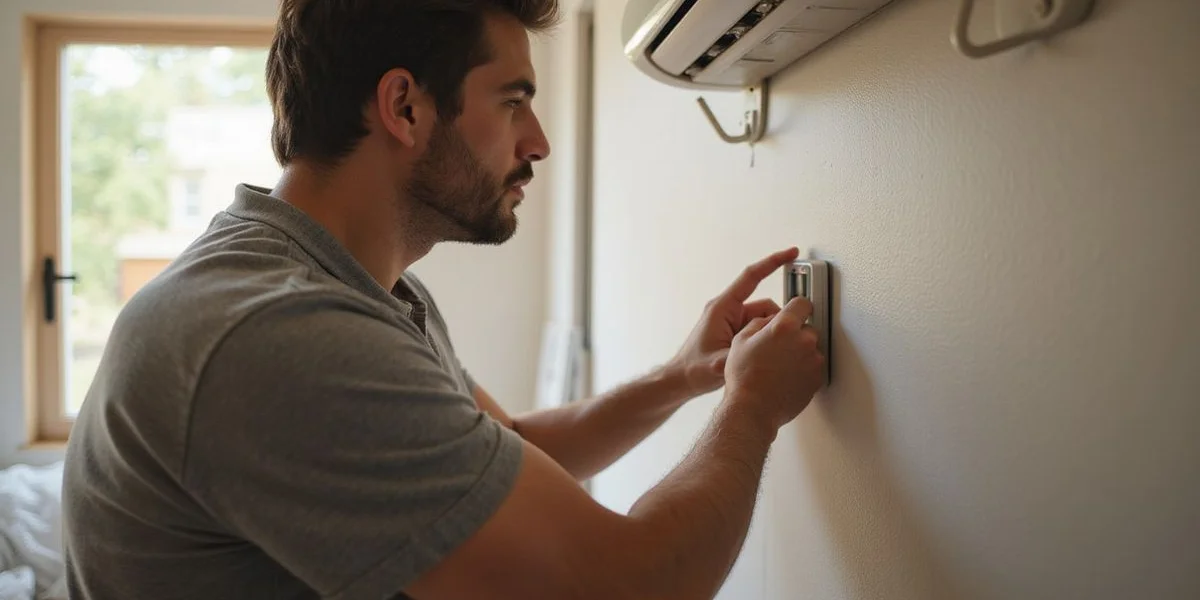
Step 1: Check Your Thermostat
This might sound obvious, but thermostat issues are one of the most common causes of AC problems we encounter. Start by verifying these settings:
- Make sure the system is set to cool mode, not heat or fan only
- Check that the temperature setting is below the current room temperature
- Verify that the fan is set to auto, not on (the “on” setting runs the fan continuously, even when the AC is not actively cooling, which can make the air feel warm)
- Replace thermostat batteries if applicable
- If you have a programmable or smart thermostat, check that scheduled temperature changes are not overriding your manual settings
Sometimes a simple thermostat reset solves everything. Turn the system off, wait five minutes, and turn it back on.
Step 2: Inspect and Replace the Air Filter
A dirty or clogged air filter is the number one cause of reduced AC performance. When the filter is blocked, airflow through the system drops dramatically. The evaporator coil cannot absorb heat efficiently, and in severe cases, it can freeze over completely.
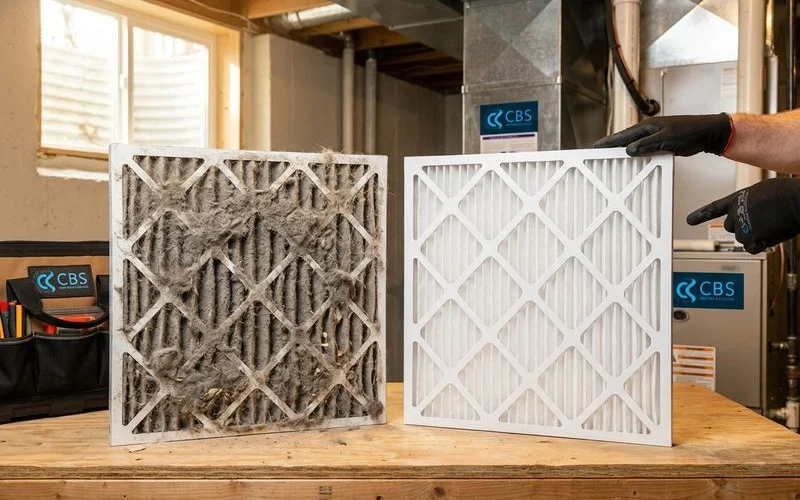
Here in Northern Virginia, filters can clog faster than you expect due to high pollen counts in spring, pet dander, and the general dust that accumulates in homes. During peak cooling season, we recommend checking your filter every 30 days.
To check your filter, locate it at the return air vent or inside the air handler unit. Slide it out and hold it up to a light source. If you cannot see light through it, replace it immediately. Keep a few spare filters on hand during summer so you can swap them out quickly.
Step 3: Examine the Outdoor Unit
Your air conditioner’s outdoor condenser unit needs adequate airflow to release heat. If it is blocked, dirty, or obstructed, the system cannot cool effectively.
Go outside and check for the following issues:
- Vegetation growing too close: Bushes, vines, and grass should be trimmed back at least two feet from all sides of the unit
- Debris accumulation: Leaves, grass clippings, cottonwood seeds, and other debris can clog the condenser fins
- Blocked fins: Use a garden hose to gently rinse dirt and debris from the outside of the unit, spraying from the inside out if possible
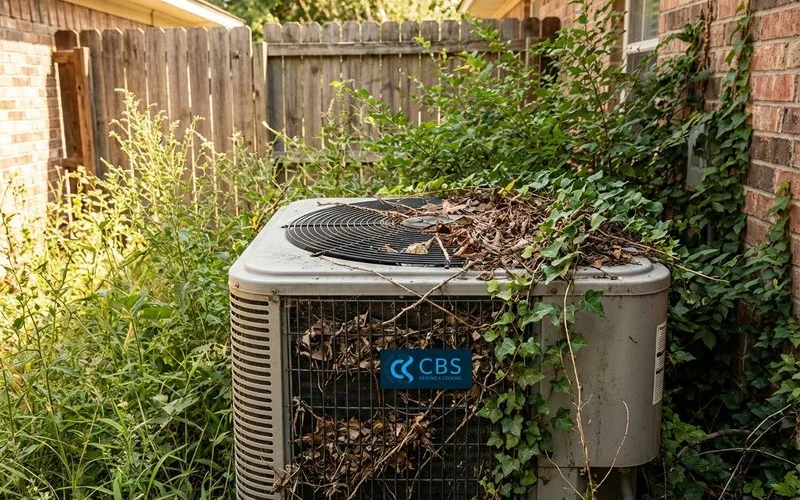
In many Manassas neighborhoods, mature landscaping around homes can gradually encroach on outdoor units. We see this frequently during service calls, and simply clearing the area often improves performance noticeably.
Step 4: Check All Vents and Registers
Walk through every room in your house and make sure all supply vents and return air registers are open and unobstructed. Furniture, curtains, rugs, and even children’s toys pushed against vents can restrict airflow enough to affect whole-house cooling.
A common misconception is that closing vents in unused rooms saves energy. In reality, closing vents creates pressure imbalances in your duct system that can reduce overall efficiency and even damage components over time.
Step 5: Look for Ice on the System
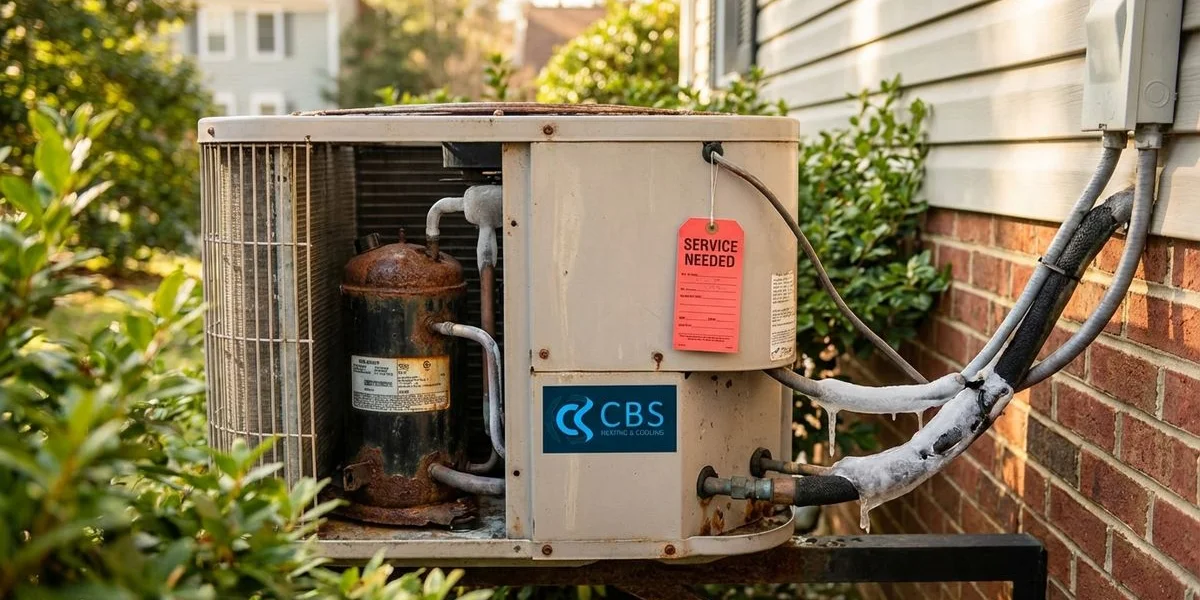
Check both the indoor evaporator coil (if accessible) and the refrigerant lines running between your indoor and outdoor units. If you see ice buildup, your system has a problem that needs attention.
Ice formation is usually caused by restricted airflow from a dirty filter, low refrigerant levels from a leak, or a malfunctioning blower fan. If you find ice, turn the system to fan-only mode and let the ice melt completely before turning the cooling back on. If ice returns, you need professional service.
Step 6: Inspect the Circuit Breaker
Your AC system typically uses two circuit breakers: one for the indoor air handler and one for the outdoor condenser. If the outdoor breaker has tripped, the indoor fan may still run and blow air, but it will not be cooled.
Check your electrical panel and reset any tripped breakers. If a breaker trips again immediately or repeatedly, do not keep resetting it. This indicates an electrical problem that requires professional diagnosis.
Step 7: Check the Condensate Drain
Your AC removes moisture from the air as it cools, and this water drains away through a condensate line. If this line becomes clogged with algae, mold, or debris, many modern systems have a safety switch that shuts down the cooling function to prevent water damage.
The condensate drain line is usually a PVC pipe near your indoor air handler. You can try clearing a clog by pouring a cup of white vinegar down the drain line, which helps dissolve biological buildup.
When to Call a Professional
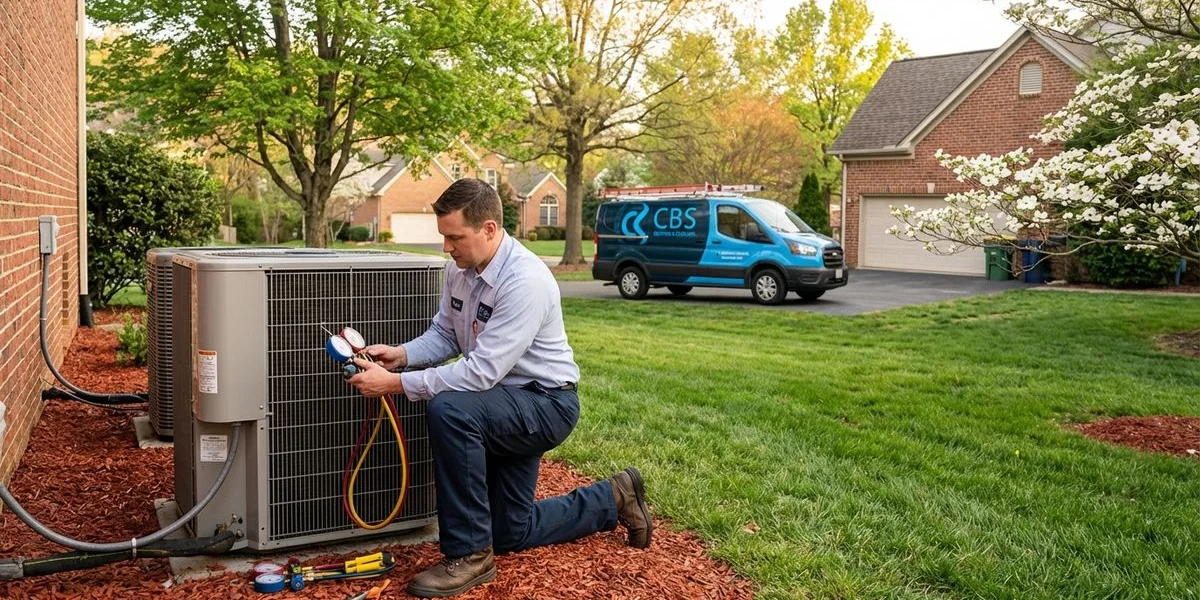
If you have worked through all of these steps and your AC is still not cooling properly, it is time to call for professional help. Several problems require trained technicians and specialized equipment to diagnose and repair:
- Refrigerant leaks need professional detection and repair, plus EPA-certified handling
- Compressor failures require specialized tools and expertise
- Electrical component issues like failed capacitors or contactors can be dangerous to diagnose without training
- Ductwork problems like disconnected or crushed ducts are often hidden in attics and crawl spaces
Do Not Wait Too Long
Running an AC system that is struggling to cool puts enormous stress on the compressor, which is the most expensive component to replace. What might start as a minor and inexpensive repair can quickly become a major expense if the compressor burns out from being overworked.
Contact HVAC of Virginia at (703) 555-0123 for fast, reliable AC repair service. We serve Manassas, Centreville, Gainesville, Woodbridge, Bristow, Haymarket, and communities throughout Northern Virginia. Our technicians diagnose problems accurately and provide honest recommendations so you can get back to a comfortable home as quickly as possible.
Need HVAC Help?
Our expert technicians are ready to help with any heating or cooling issue.
Related Articles
How to Choose the Right AC Unit for Your Home
A comprehensive guide to selecting the perfect air conditioning system for your Northern Virginia home. Learn about sizing, types, efficiency ratings, and costs.
7 Signs Your AC Needs Repair Before It's Too Late
Spot the warning signs that your air conditioner needs professional repair. Northern Virginia HVAC experts share the top indicators of AC trouble.
How Often Should You Service Your AC?
Learn the recommended AC service schedule for Northern Virginia homeowners. Regular maintenance prevents costly breakdowns and keeps your system efficient all summer.