Best HVAC Air Filters for Allergy Sufferers in Virginia
Find the best HVAC air filters for allergies in Northern Virginia. Compare MERV ratings, filter types, and get expert recommendations for cleaner indoor air.
Virginia’s Allergy Season Demands Better Filtration
If you suffer from allergies in Northern Virginia, you know the struggle is real. The Manassas area experiences multiple pollen seasons that overlap throughout much of the year. Tree pollen starts as early as February and runs through May. Grass pollen peaks from May through July. Ragweed takes over from August through October. Add in year-round indoor allergens like dust mites, pet dander, and mold spores, and it is no wonder that allergy sufferers need every advantage they can get.
Your HVAC system processes thousands of cubic feet of air every hour. The filter it uses determines how many of those airborne allergens are captured versus recirculated through your home. Choosing the right filter can make a dramatic difference in your indoor air quality, symptoms, and quality of life.
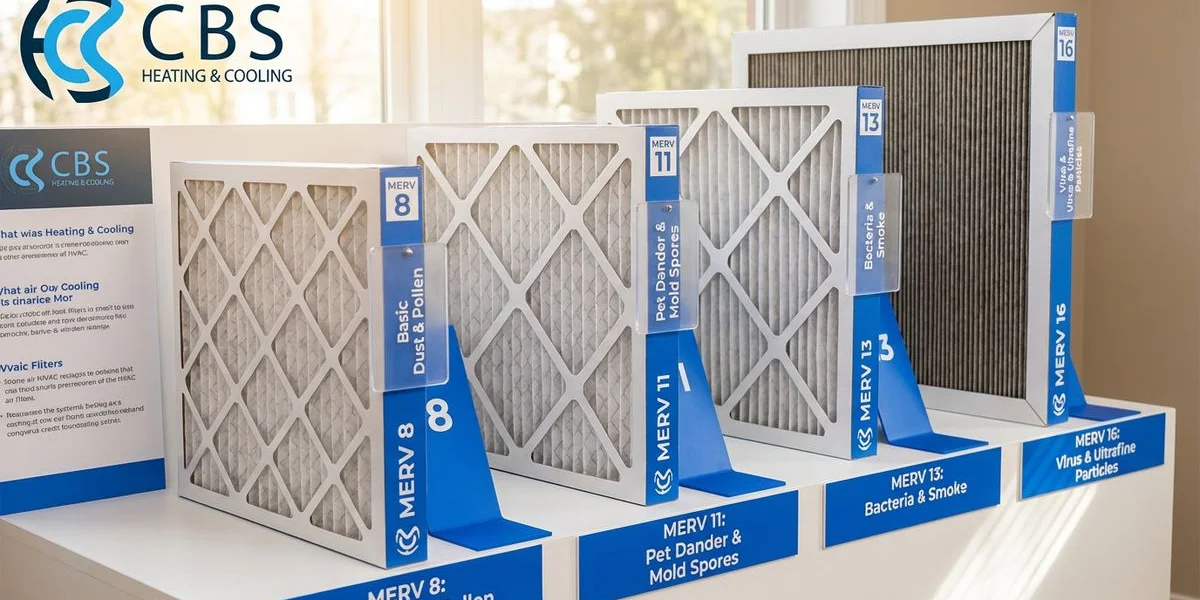
Understanding MERV Ratings for Allergy Control
MERV ratings are the standard measure of filter effectiveness. For allergy sufferers, understanding what each MERV level captures is essential for choosing the right filter.
MERV 1 to 4: Not Recommended for Allergies Basic fiberglass filters fall in this range. They capture large particles like lint and carpet fibers but allow most allergens to pass right through. Pollen, dust mite debris, mold spores, and pet dander are largely unaffected by these filters. If you are using a cheap fiberglass filter, upgrading is the single most impactful change you can make.
MERV 8 to 11: Good for Mild to Moderate Allergies This is where meaningful allergy relief begins. MERV 8 filters capture dust mite debris, mold spores, and most pollen particles. MERV 11 filters add better capture of pet dander, fine dust, and smaller mold spores. For most Northern Virginia homes and most allergy sufferers, a MERV 11 filter provides a significant improvement in air quality without restricting system airflow.
MERV 13 to 16: Best for Severe Allergies These filters capture the smallest allergenic particles, including bacteria, smoke, and very fine pollen fragments. MERV 13 filters are particularly popular among allergy sufferers because they capture over 90 percent of particles in the 1 to 3 micron range, which includes most biological allergens.
However, there is an important caveat. Higher MERV filters create more resistance to airflow. If your HVAC system was not designed for a high-MERV filter, using one can reduce airflow, decrease efficiency, and potentially damage the system. Always consult your HVAC technician before upgrading to MERV 13 or higher.
Filter Types Compared
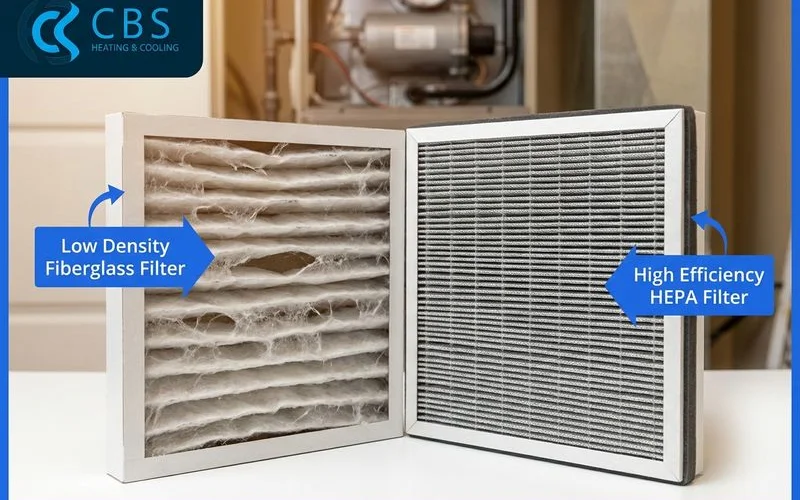
Beyond MERV ratings, different filter constructions offer different advantages.
Standard Pleated Filters (1 inch) These are the most common and convenient option. Available in MERV 8 through MERV 13, they fit standard filter slots and are widely available at hardware stores. For allergy sufferers, a one-inch MERV 11 or MERV 13 pleated filter changed monthly during heavy pollen seasons provides good protection.
Deep Pleated Media Filters (4 to 5 inches) These require a larger filter cabinet to be installed in your duct system but offer several advantages for allergy sufferers. The deeper pleats provide more surface area, allowing higher MERV ratings with less airflow restriction. A four-inch MERV 13 filter creates roughly the same resistance as a one-inch MERV 8 filter while capturing far more allergens. These filters also last longer, typically three to six months between changes.
Electronic Air Cleaners These devices use electrical charges to capture particles and can be effective for allergy control. They require professional installation and periodic cleaning but do not need filter replacements. However, some electronic air cleaners produce small amounts of ozone, which can irritate respiratory systems. If you are considering this option, choose models certified to produce minimal ozone.
HEPA Filtration True HEPA filters capture 99.97 percent of particles as small as 0.3 microns, providing the highest level of filtration available. However, standard residential HVAC systems cannot use HEPA filters directly because the extremely high resistance would severely restrict airflow. HEPA filtration for homes requires a bypass system that processes a portion of the air through a HEPA filter module without restricting the main airflow.
Virginia-Specific Allergy Considerations
Northern Virginia’s allergy landscape has some unique characteristics that affect filter selection and maintenance schedules.
Extended Pollen Seasons Our relatively mild climate means pollen seasons start earlier and last longer than in many parts of the country. Tree pollen can begin producing symptoms as early as February, and ragweed can persist into November. This extended season means your filter is working hard for a larger portion of the year.
High Humidity and Mold Virginia’s summer humidity promotes mold growth both indoors and outdoors. Mold spores are a major allergen, and they are small enough to pass through lower-rated filters. For mold allergy sufferers, a MERV 11 or higher filter is particularly important.
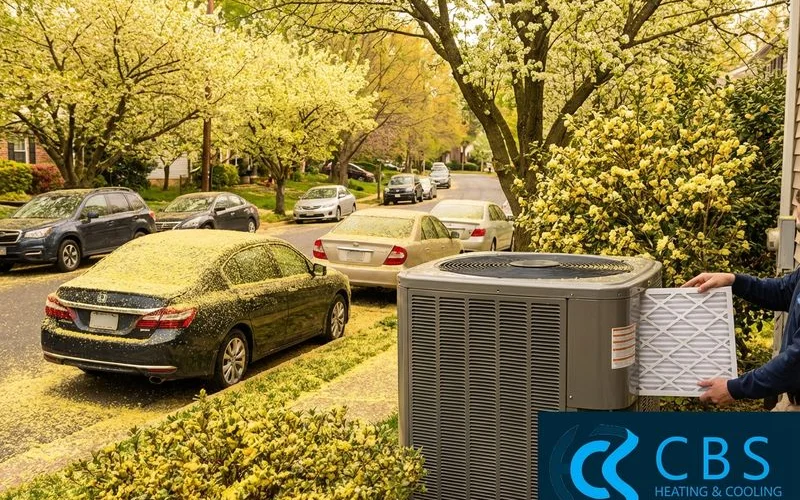
Construction Dust The Manassas area and Northern Virginia region continue to see significant new construction and renovation activity. If you live near an active construction site, the additional dust in the air means your filter will clog faster. Check it more frequently during active construction periods.
Filter Maintenance Schedule for Allergy Sufferers
Standard recommendations say to change filters every 90 days, but allergy sufferers in Northern Virginia should follow a more aggressive schedule.
During peak pollen seasons, which run roughly from March through June and August through October in our area, check your filter every two weeks and replace it when it looks dirty. This might mean changing filters monthly during these periods.
During winter months when pollen is minimal and windows are closed, monthly checks with replacement every 60 to 90 days is typically sufficient.
If you have pets, add even more frequency. Pet dander is produced year-round, and homes with multiple pets may need filter changes every three to four weeks regardless of the season.
Additional Steps Beyond Filtration
While a good filter is essential, it works best as part of a comprehensive approach to allergy management. Run your HVAC fan continuously during high pollen days rather than just when heating or cooling. This ensures all indoor air passes through the filter regularly.
Keep windows and doors closed during peak pollen hours, which are typically mid-morning to early afternoon. Use exhaust fans in bathrooms and kitchens to remove moisture and cooking particles. Consider adding a whole-house dehumidifier to keep indoor humidity below 50 percent, which inhibits dust mite and mold growth. Regular HVAC maintenance also ensures your system is filtering air effectively.
Get Personalized Filter Recommendations
The best filter for your home depends on your specific system, your allergy triggers, and your home’s characteristics. Contact HVAC of Virginia at (703) 555-0123 for a personalized assessment. Our technicians can evaluate your system’s compatibility with higher-MERV filters, recommend the best filtration solution for your allergies, and install media filter cabinets or air purification systems if needed. We serve allergy sufferers throughout Manassas, Centreville, Gainesville, Woodbridge, and all of Northern Virginia.
Need HVAC Help?
Our expert technicians are ready to help with any heating or cooling issue.
Related Articles

Furnace Not Heating? Common Causes and Fixes
Is your furnace running but not producing heat? Discover the most common causes and simple fixes before calling a professional HVAC technician in Virginia.

Preparing Your Heating System for Virginia Winters
Get your heating system winter-ready with this complete preparation guide for Northern Virginia homeowners. Avoid cold weather breakdowns and stay warm.
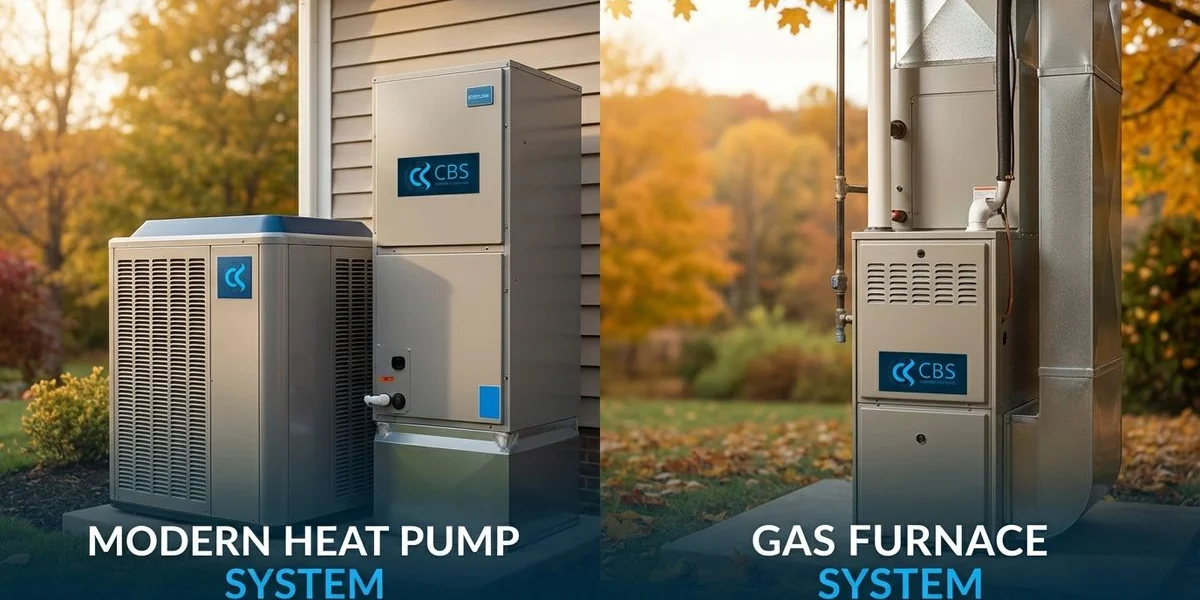
Heat Pump vs. Furnace: Which Is Right for Virginia?
Comparing heat pumps and furnaces for Northern Virginia homes. Learn the pros, cons, costs, and efficiency differences to make the best heating choice.