How to Choose the Right AC Unit for Your Home
A comprehensive guide to selecting the perfect air conditioning system for your Northern Virginia home. Learn about sizing, types, efficiency ratings, and costs.
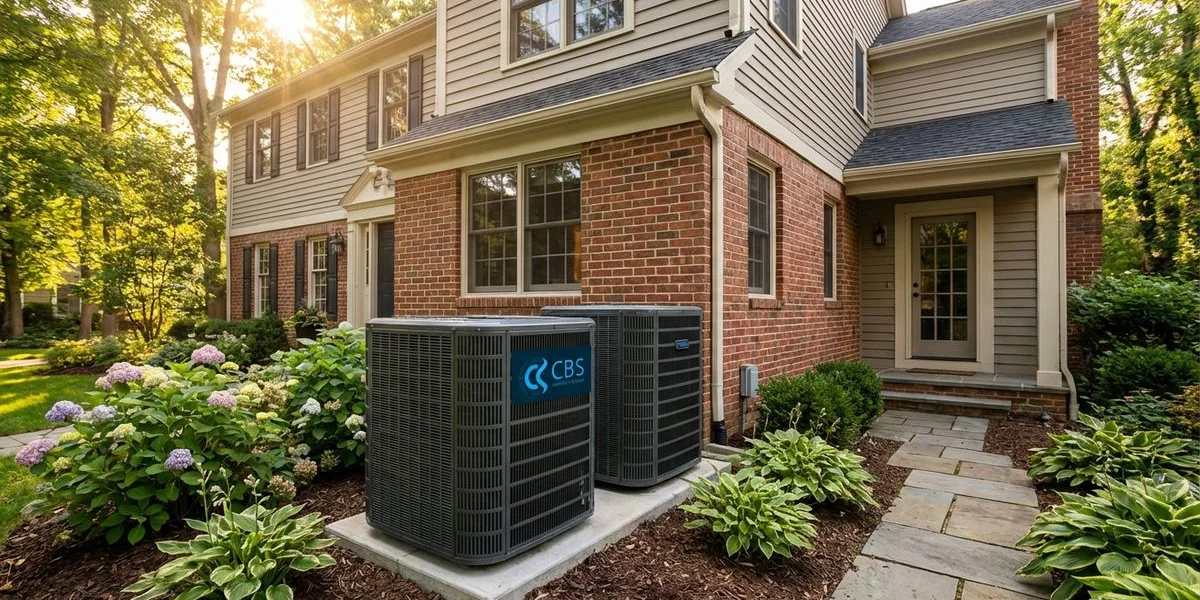
Making the Right Choice for Virginia’s Climate
Choosing a new air conditioning system is one of the biggest investments you will make for your home. A properly selected and installed system will keep your Manassas home comfortable for 15 to 20 years while keeping energy costs manageable. The wrong choice can mean years of discomfort, high utility bills, and frequent AC repairs.
At HVAC of Virginia, we help homeowners navigate this decision every day. Here is everything you need to know to make an informed choice.
Understanding AC System Types
Before diving into specifics, let us look at the main types of cooling systems available for Northern Virginia homes.
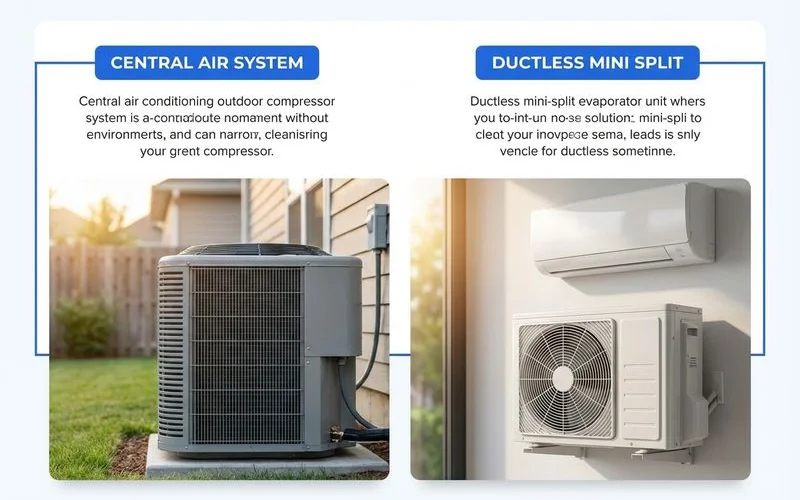
Central Air Conditioning Central air remains the most popular choice for homes in the Manassas area. These systems use a network of ducts to distribute cooled air throughout the home. If your house already has ductwork from an existing system or a furnace, central air is usually the most cost-effective option.
Modern central air systems are significantly more efficient than models from even ten years ago. Today’s top units achieve SEER2 ratings of 20 or higher, compared to the 10 to 13 SEER ratings common in older systems.
Ductless Mini-Split Systems Mini-splits are an excellent option for homes without existing ductwork, room additions, or specific areas that are hard to cool. Each indoor unit cools a specific zone, giving you precise temperature control room by room.
Many older homes in historic areas of Manassas and Northern Virginia were not built with ductwork. For these properties, mini-splits provide efficient cooling without the expense and disruption of installing a complete duct system.
Heat Pumps Heat pumps deserve special consideration for Northern Virginia homeowners because they provide both heating and cooling in a single system. Modern heat pumps work effectively even in our cold winters, and they are significantly more efficient than traditional furnace-plus-AC combinations.

Getting the Size Right
Proper sizing is the single most important factor in AC selection, and it is where many homeowners and even some contractors go wrong.
Why Oversizing Is a Problem A common misconception is that bigger is better when it comes to air conditioning. In reality, an oversized unit creates serious problems. It cools the house too quickly without running long enough to remove humidity. In Virginia’s humid summers, this leaves your home feeling cold and clammy. Oversized units also short cycle, turning on and off frequently, which wastes energy and causes excessive wear on components.
Why Undersizing Is Equally Bad An undersized unit runs constantly during hot days, struggling to maintain a comfortable temperature. This leads to high energy bills, excessive wear, and a home that never quite feels comfortable during peak summer heat.
The Right Way to Size an AC System Professional contractors use a calculation called Manual J to determine the correct size for your home. This calculation considers your home’s square footage, insulation levels, window size and orientation, number of occupants, heat-generating appliances, and local climate data.
For the Manassas area, our local climate data shows average summer highs in the low 90s with humidity levels that significantly affect cooling loads. A proper Manual J calculation accounts for all of these factors to recommend the precise tonnage your home needs.
Efficiency Ratings Explained
When comparing AC units, you will encounter several efficiency ratings:
SEER2 (Seasonal Energy Efficiency Ratio) This is the primary efficiency rating for air conditioners. Higher numbers mean better efficiency. As of 2023, the federal minimum SEER2 for our region is 14.3. We typically recommend units rated 16 SEER2 or higher for the best balance of upfront cost and long-term savings.
EER2 (Energy Efficiency Ratio) While SEER2 measures seasonal efficiency, EER2 measures efficiency at peak conditions, specifically 95 degrees outside. This rating is particularly relevant for Northern Virginia, where we regularly hit those temperatures in July and August.
Budget Considerations
A new AC system in Northern Virginia typically costs between $4,000 and $12,000 installed, depending on the type, size, and efficiency level. Here is how to think about the investment:
Upfront Cost vs. Operating Cost A higher-efficiency unit costs more upfront but less to operate over its lifetime. For a typical Manassas home, upgrading from a 14 SEER2 system to an 18 SEER2 system might cost an extra $1,500 to $2,500 upfront but save $200 to $400 per year in energy costs. Over a 15-year lifespan, the higher-efficiency unit pays for itself and then some.
Available Incentives Federal tax credits, utility rebates from Dominion Energy, and manufacturer promotions can significantly reduce the cost of a high-efficiency system. Currently, federal tax credits of up to $2,000 are available for qualifying heat pump installations under the Inflation Reduction Act.
Features Worth Considering
Modern AC systems come with features that improve comfort and convenience:
Variable-Speed Compressors Unlike traditional single-stage compressors that are either fully on or fully off, variable-speed compressors adjust their output to match the current cooling demand. This provides more consistent temperatures, better humidity control, and significantly lower energy consumption.
Smart Thermostat Compatibility Ensure your new system works with smart thermostats, which can reduce energy costs by 10 to 15 percent through intelligent scheduling and occupancy detection.
Sound Levels If your outdoor unit is near bedrooms or a patio, pay attention to the decibel rating. Premium units can be as quiet as 55 decibels, while budget models may produce 75 decibels or more.
Choosing an Installer Matters
The best AC equipment in the world will underperform if installed poorly. Research shows that improper installation can reduce system efficiency by up to 30 percent. When selecting an installer, verify they are licensed and insured in Virginia, ask about their experience with your specific system type, request references from recent installations in the area, and confirm they will perform a Manual J load calculation.
Let HVAC of Virginia Help You Choose
Selecting the right AC system involves many variables, and our team is here to make the process straightforward. We will assess your home, perform proper load calculations, explain your options clearly, and install your new system to manufacturer specifications.
Contact HVAC of Virginia at (703) 555-0123 for a free consultation. We serve homeowners throughout Manassas, Centreville, Gainesville, Woodbridge, and all of Northern Virginia.
Need HVAC Help?
Our expert technicians are ready to help with any heating or cooling issue.
Related Articles

AC Not Cooling? Quick Troubleshooting Guide
Your AC is running but not cooling your home. Follow this step-by-step troubleshooting guide from HVAC of Virginia before calling for professional repair.
7 Signs Your AC Needs Repair Before It's Too Late
Spot the warning signs that your air conditioner needs professional repair. Northern Virginia HVAC experts share the top indicators of AC trouble.
How Often Should You Service Your AC?
Learn the recommended AC service schedule for Northern Virginia homeowners. Regular maintenance prevents costly breakdowns and keeps your system efficient all summer.