8 Common HVAC Myths Debunked by Our Technicians
Stop wasting money on HVAC misconceptions. Our Virginia HVAC technicians debunk 8 common myths about heating, cooling, and energy efficiency in your home.

Setting the Record Straight on HVAC
After years of serving homeowners in Manassas and throughout Northern Virginia, our technicians have heard every HVAC myth in the book. These misconceptions seem harmless, but many of them lead to higher energy bills, reduced comfort, and even premature system failure.
Here are eight of the most common HVAC myths we encounter, along with the truth behind each one.
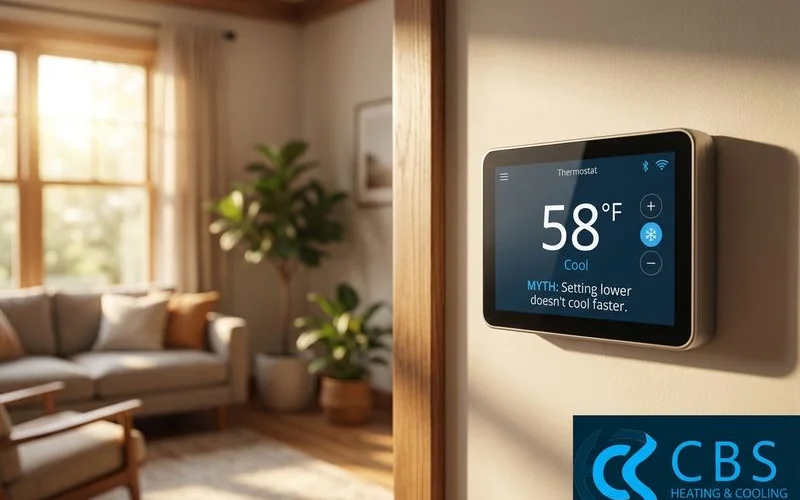
Myth 1: Setting the Thermostat Lower Cools Your Home Faster
This is one of the most persistent myths we encounter. When you come home to a warm house on a Virginia summer day, it is tempting to crank the thermostat down to 60 degrees hoping the house will cool to 72 faster. It will not.
The Truth: Your air conditioner produces the same amount of cooling regardless of the thermostat setting. It has one speed of cooling output in most residential systems. Setting the thermostat to 60 degrees does not make it work harder or faster. It simply makes the system run longer, overshooting your desired temperature and wasting energy. Set the thermostat to your desired temperature and let the system do its job.
The same applies to heating. Setting the thermostat to 90 degrees will not warm your house faster than setting it to 72. Your furnace produces the same BTU output either way.
Myth 2: Closing Vents in Unused Rooms Saves Energy
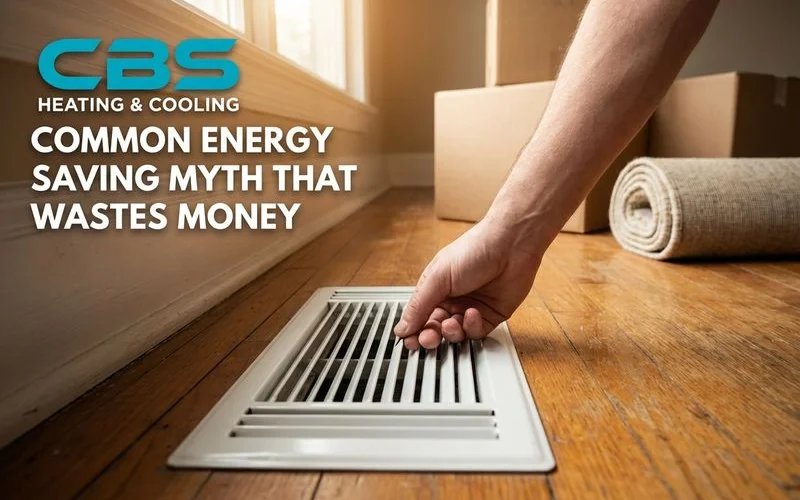
This sounds logical on the surface. Why heat or cool rooms nobody is using? Just close the vents and redirect the air to occupied rooms, right? This is one of the most damaging myths because it actually increases energy costs and can harm your system.
The Truth: Your HVAC system is designed to move a specific volume of air through the ductwork. When you close vents, you increase pressure in the duct system. This increased pressure forces air through any leaks in the ductwork (most homes have significant duct leakage), reduces system efficiency, and puts extra strain on the blower motor. In severe cases, increased duct pressure can cause the evaporator coil to freeze.
Instead of closing vents, keep all vents open and use zoning or a programmable thermostat to manage energy usage in different areas of your home.
Myth 3: You Only Need to Change Your Filter Once a Year
Many homeowners believe that their HVAC filter is a once-a-year maintenance item, changing it when they get their annual tune-up and forgetting about it until the next visit.
The Truth: Most filters need to be checked monthly and replaced every one to three months, depending on the filter type, household conditions, and the season. In Northern Virginia, where pollen season runs from February through October and humidity promotes biological growth, filters can clog faster than you might expect.
Homes with pets need even more frequent changes. A household with two dogs, for example, might need filter changes every three to four weeks during shedding season. A clogged filter restricts airflow, reduces efficiency, degrades air quality, and can cause the evaporator coil to freeze.
Myth 4: Bigger HVAC Systems Are Better
When it is time for a new system, some homeowners request the biggest unit available, figuring it will cool or heat their home more effectively. This is a costly mistake.
The Truth: An oversized HVAC system creates multiple problems. In cooling mode, it cools the air quickly but shuts off before removing adequate humidity, leaving your home feeling cold and clammy. It short cycles, meaning it turns on and off frequently, which wastes energy and causes excessive wear on the compressor and other components.
An oversized furnace creates similar problems: it blasts hot air for short periods, creating uncomfortable temperature swings rather than consistent warmth. Proper sizing through a Manual J load calculation is essential for comfort and efficiency. A correctly sized system runs longer at a steady rate, providing even temperatures and proper humidity control.
Myth 5: Maintenance Is Unnecessary if the System Is Working Fine
If it is not broken, why fix it? This reasoning leads many homeowners to skip annual maintenance, figuring they will call a technician when something goes wrong.
The Truth: HVAC systems degrade gradually, losing efficiency and developing small problems that worsen over time. A system that seems to be working fine may already be operating 10 to 20 percent below its rated efficiency, costing you extra on every energy bill. By the time you notice an obvious problem, the underlying cause has often been developing for months.
Annual maintenance catches these issues early, keeps the system running at peak efficiency, and extends equipment lifespan by years. The cost of annual maintenance is a fraction of the emergency repair bills that often result from neglected systems.
Myth 6: Ceiling Fans Cool Rooms Even When Nobody Is in Them
Ceiling fans are a great complement to your HVAC system, but only when used correctly. Some homeowners leave ceiling fans running in every room throughout the day, believing the fans are cooling the rooms.
The Truth: Ceiling fans cool people, not rooms. They create a wind chill effect that makes you feel cooler, but they do not reduce the actual air temperature. Running a fan in an empty room wastes electricity without providing any cooling benefit. Turn fans off when you leave a room, just like you would turn off a light.
When you are in the room, ceiling fans allow you to raise the thermostat by about 4 degrees without any reduction in perceived comfort, which does save significant energy on your cooling costs.
Myth 7: Duct Tape Is Good for Sealing Ducts
Despite its name, standard duct tape is one of the worst products for sealing ductwork. This myth persists largely because of the misleading product name.
The Truth: Standard duct tape adhesive degrades quickly when exposed to the temperature extremes inside ductwork. Within a year or two, the tape dries out, loses adhesion, and falls off, leaving the duct leak unsealed. For proper duct sealing, use either mastic sealant, which is a thick paste that hardens into a permanent seal, or metal-backed UL-listed tape specifically designed for HVAC use. Both products withstand the temperature cycles inside ductwork and maintain their seal for decades.
Myth 8: Your HVAC System Only Affects Temperature
Many homeowners think of their HVAC system solely as a heating and cooling device. It heats in winter, it cools in summer, and that is the extent of it.
The Truth: Your HVAC system has a profound impact on indoor air quality, humidity levels, and even the structural integrity of your home. It filters the air your family breathes, removes excess humidity, and maintains conditions that protect wood floors, furniture, and building materials. When properly maintained and equipped with appropriate filtration and humidity control, your HVAC system is a comprehensive indoor environment management system.
This is why issues like duct leaks, poor filtration, and improper humidity control matter so much. They affect far more than just the temperature in your home.
Get the Facts from HVAC Professionals
Myths circulate because they sound plausible, but following them can cost you money and comfort. If you have questions about your HVAC system or want to ensure you are getting the most from it, contact HVAC of Virginia at (703) 555-0123. Our experienced technicians provide honest answers and fact-based recommendations for homeowners throughout Manassas, Centreville, Gainesville, Woodbridge, and all of Northern Virginia.
Need HVAC Help?
Our expert technicians are ready to help with any heating or cooling issue.
Related Articles

Furnace Not Heating? Common Causes and Fixes
Is your furnace running but not producing heat? Discover the most common causes and simple fixes before calling a professional HVAC technician in Virginia.
Preparing Your Heating System for Virginia Winters
Get your heating system winter-ready with this complete preparation guide for Northern Virginia homeowners. Avoid cold weather breakdowns and stay warm.
Heat Pump vs. Furnace: Which Is Right for Virginia?
Comparing heat pumps and furnaces for Northern Virginia homes. Learn the pros, cons, costs, and efficiency differences to make the best heating choice.