Furnace Not Heating? Common Causes and Fixes
Is your furnace running but not producing heat? Discover the most common causes and simple fixes before calling a professional HVAC technician in Virginia.
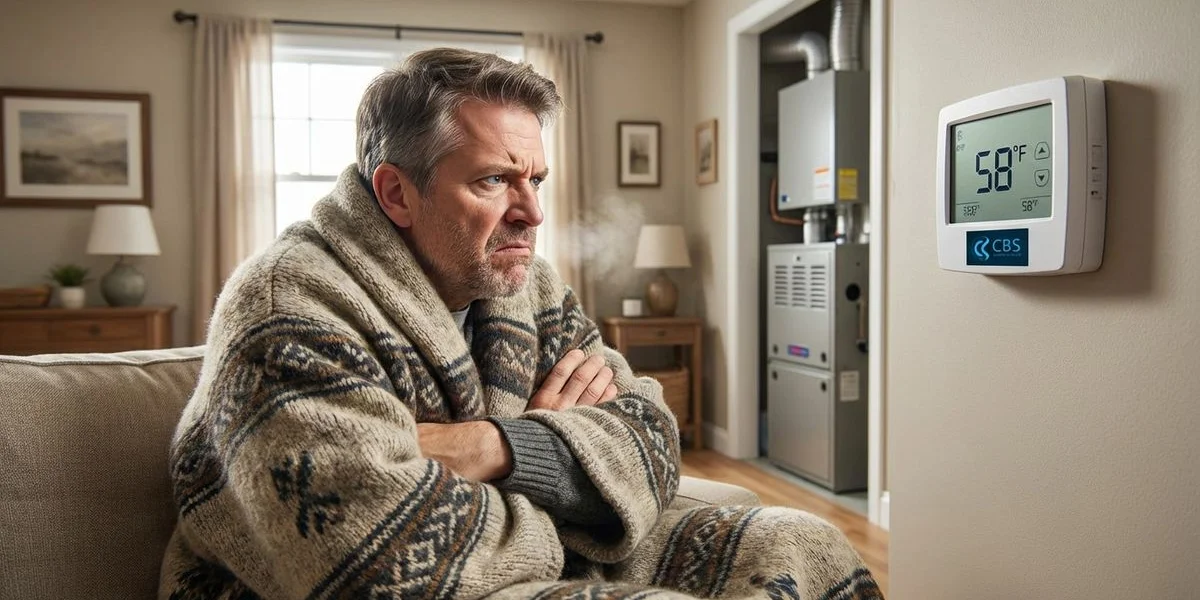
Why Your Furnace Is Not Producing Heat
Few things are more uncomfortable than a furnace that will not heat your home during a Virginia winter. Whether you wake up to a cold house on a January morning or notice the temperature slowly dropping despite the thermostat calling for heat, a non-heating furnace demands prompt attention.
The good news is that many furnace problems have straightforward causes, and some can even be resolved without a service call. At HVAC of Virginia, we help Manassas homeowners diagnose and fix furnace problems throughout the heating season. Here are the most common reasons your furnace might not be heating and what you can do about each one.
Thermostat Issues
The thermostat is the first thing to check, and it is the cause of the problem more often than you might think.
Incorrect Settings Verify that your thermostat is set to heat mode and that the target temperature is set above the current room temperature. Also confirm the fan is set to auto rather than on. When set to on, the blower runs continuously even when the furnace is not actively heating, blowing unheated air through your ducts.
Dead Batteries Many thermostats run on batteries, and when they die, the thermostat cannot communicate with the furnace. Replace the batteries and see if the system responds. Some homeowners do not realize their thermostat uses batteries because it also receives power from the HVAC system wiring, but the batteries serve as a backup that the thermostat may depend on.
Programming Errors If you have a programmable thermostat, check the schedule. Temperature setbacks programmed for overnight or when you are away may not be recovering at the expected times due to incorrect scheduling.
Dirty or Clogged Air Filter
A severely restricted air filter can cause the furnace to overheat and shut down. The high-limit safety switch detects excessive temperatures in the heat exchanger and turns off the burners to prevent damage. The furnace may cycle on, run briefly, and then shut down, repeating this pattern without ever properly heating the home.
Check your filter and replace it if it is dirty. During the heating season in Northern Virginia, we recommend checking filters monthly. Homes with pets, multiple occupants, or older ductwork may need even more frequent filter changes.
Ignition Problems
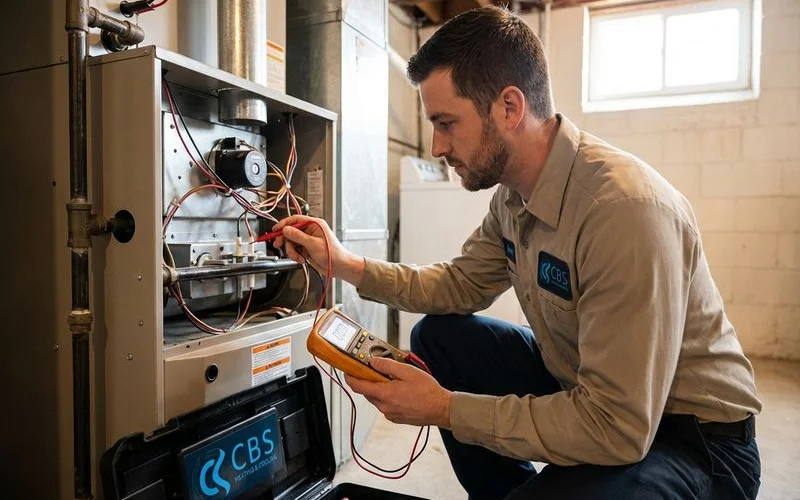
Modern furnaces use either a hot surface igniter or an electronic spark igniter to light the burners. Both types can fail over time.
Hot Surface Igniter Failure These ceramic components glow red-hot to ignite the gas. They are fragile and have a limited lifespan, typically three to five years. When they crack or burn out, the furnace cannot light. You may hear the furnace attempt to start, with the inducer motor running, but the burners never ignite.
Replacing a hot surface igniter is one of the most common furnace repairs and is relatively inexpensive. However, it does require working with gas and electrical components, so we recommend having a professional handle this repair.
Flame Sensor Issues The flame sensor is a small metal rod that detects whether the burners have successfully lit. If it cannot detect a flame within a few seconds of the gas valve opening, it shuts down the system as a safety measure to prevent gas buildup.
Over time, flame sensors develop a coating of carbon and oxidation that insulates them from the flame. Cleaning the flame sensor with fine emery cloth or steel wool is often all it takes to restore proper function. This is one of the most common and least expensive furnace repairs.
Pilot Light Problems (Older Furnaces)
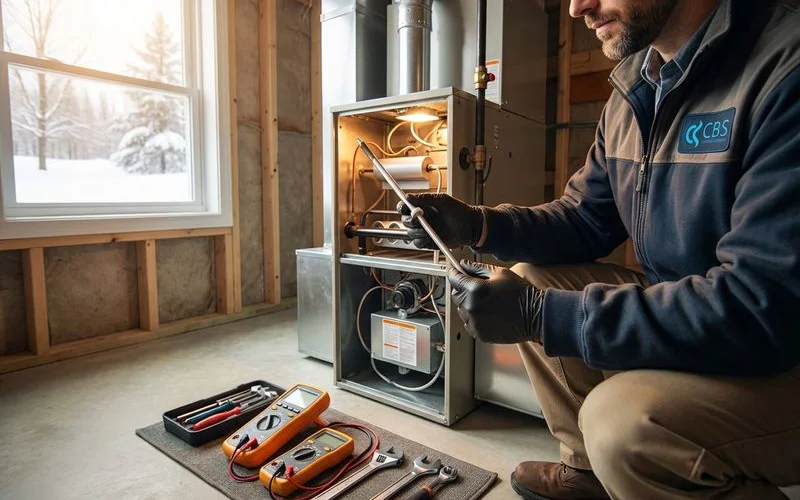
If your furnace is an older model with a standing pilot light, the pilot may have gone out. Follow the manufacturer’s instructions on the furnace to relight it. If the pilot will not stay lit, the thermocouple may need replacement. This safety device detects the pilot flame and keeps the gas valve open. A faulty thermocouple shuts down the gas supply.
Blower Motor Failure
The blower motor pushes heated air through your ductwork and into your rooms. If it fails, the furnace may still fire and heat the heat exchanger, but no warm air reaches your living spaces.
Signs of a failing blower motor include unusual humming or buzzing sounds, the furnace cycling on and off without producing airflow, and tripped circuit breakers. Blower motors can sometimes be repaired, but in many cases replacement is more cost-effective, especially for older motors.
Gas Supply Issues
If no gas is reaching your furnace, it obviously cannot heat. Check the following:
- Verify the gas shutoff valve near the furnace is in the open position (handle parallel to the gas line)
- Check that your gas meter is functioning and has not been shut off
- If you use propane, verify your tank is not empty
- Check whether other gas appliances in your home are working. If nothing is getting gas, the issue may be with your gas supply rather than the furnace itself
Ductwork Problems
Sometimes the furnace is working perfectly, but the heated air is not reaching your rooms. Disconnected ductwork in attics, crawl spaces, or between floors can divert warm air into spaces where it does no good. In many older Manassas homes, ductwork has never been inspected since the house was built, and decades of settling, renovations, and pest activity can create significant duct problems.
Control Board Failures
The control board is the brain of your furnace, coordinating the sequence of operations from the inducer motor to the igniter to the gas valve to the blower. A failed control board can cause a variety of symptoms, from complete non-operation to partial sequences that never complete. Diagnostic LED lights on the control board can help a technician pinpoint the specific issue.
When to Call for Professional Help
While some of these issues are DIY-friendly, such as replacing filters, checking thermostat settings, and relighting pilot lights, many require professional expertise. Any time you smell gas, see scorch marks, or suspect a cracked heat exchanger, turn off the system and call immediately.
Contact HVAC of Virginia at (703) 555-0123 for prompt furnace repair service throughout Manassas, Centreville, Gainesville, Woodbridge, and Northern Virginia. We understand that a heating failure in winter is an urgent situation, and we prioritize emergency HVAC repair to get your home warm again as quickly as possible.
Need HVAC Help?
Our expert technicians are ready to help with any heating or cooling issue.
Related Articles
Preparing Your Heating System for Virginia Winters
Get your heating system winter-ready with this complete preparation guide for Northern Virginia homeowners. Avoid cold weather breakdowns and stay warm.
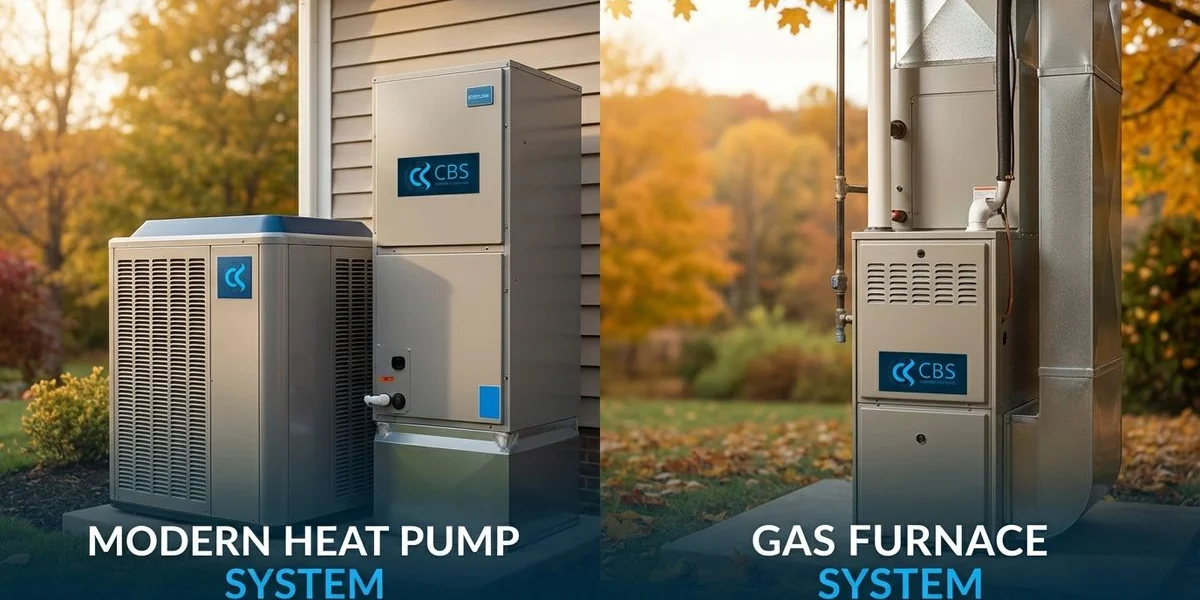
Heat Pump vs. Furnace: Which Is Right for Virginia?
Comparing heat pumps and furnaces for Northern Virginia homes. Learn the pros, cons, costs, and efficiency differences to make the best heating choice.
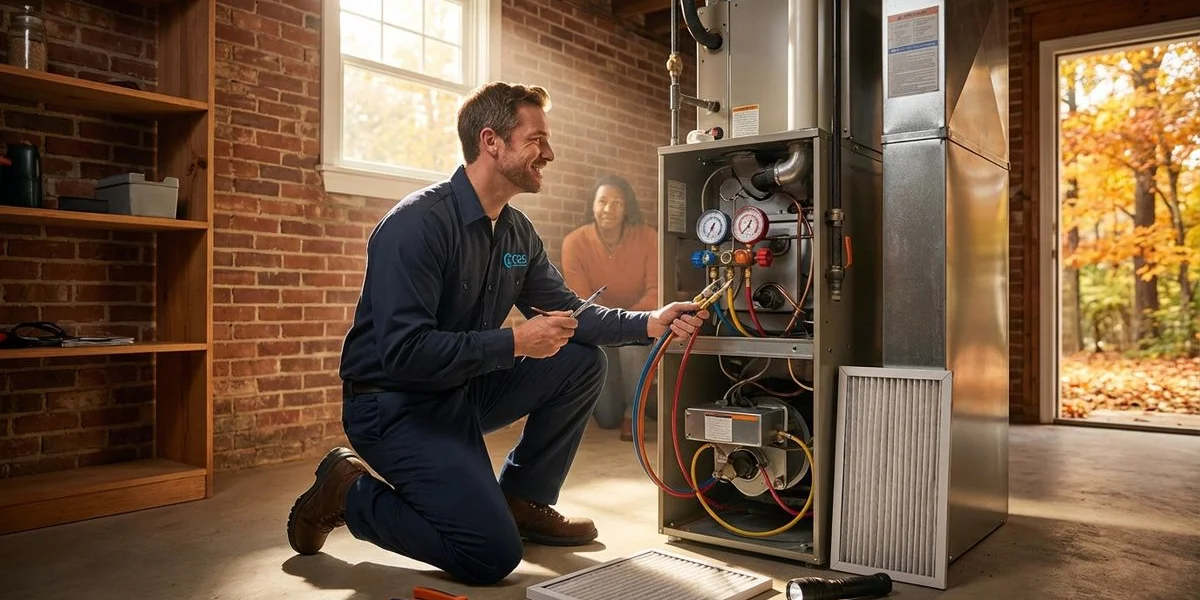
Essential Furnace Maintenance Checklist for Winter
Prepare your furnace for Virginia's cold winters with this essential maintenance checklist. Prevent breakdowns and keep your family warm all season long.