Heat Pump vs. Furnace: Which Is Right for Virginia?
Comparing heat pumps and furnaces for Northern Virginia homes. Learn the pros, cons, costs, and efficiency differences to make the best heating choice.
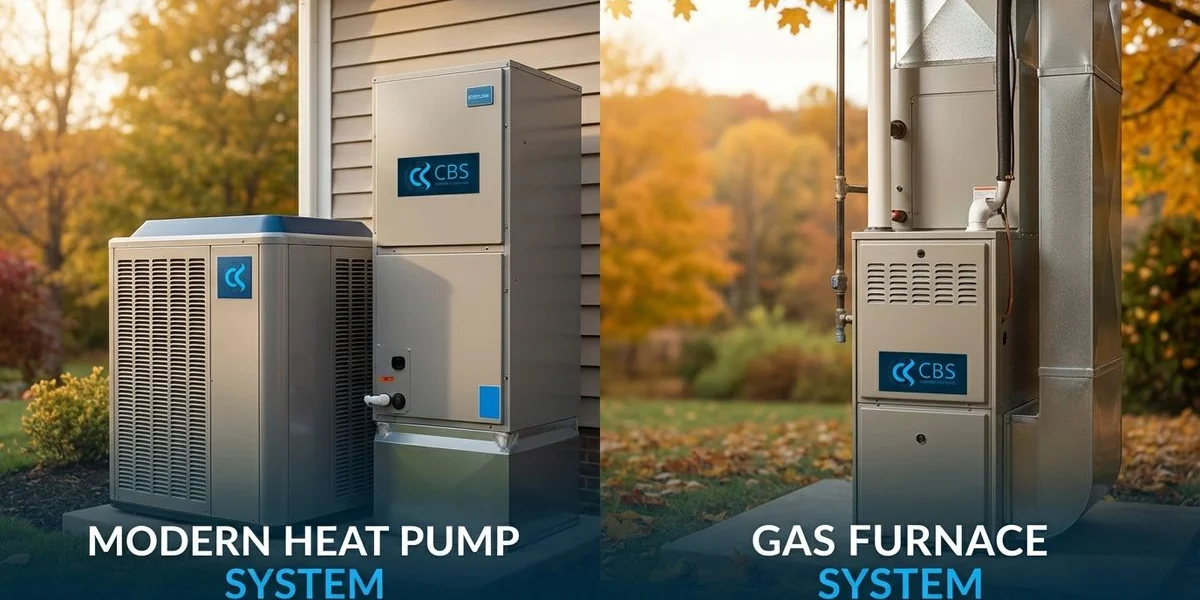
The Great Heating Debate for Virginia Homeowners
When it is time to replace your heating system, Northern Virginia homeowners face a fundamental question: should you install a heat pump or a furnace? Both technologies have evolved significantly in recent years, and the right answer depends on your specific situation.
At HVAC of Virginia, we install and service both types of systems throughout the Manassas area. Here is an honest comparison to help you make the best decision for your home.
How Each System Works
Understanding the basic mechanics helps explain the differences in performance and efficiency.
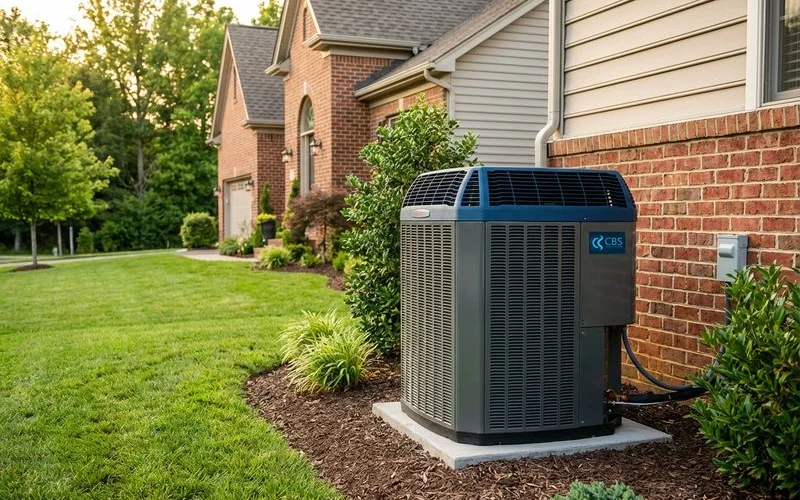
Heat Pumps A heat pump does not generate heat. Instead, it moves heat from one place to another using refrigerant. In winter, it extracts heat from the outdoor air (yes, even cold air contains heat energy) and transfers it inside. In summer, it reverses the process, working exactly like an air conditioner by removing heat from your home.
This dual functionality is one of the biggest advantages of heat pumps. One system handles both heating and cooling, eliminating the need for separate equipment.
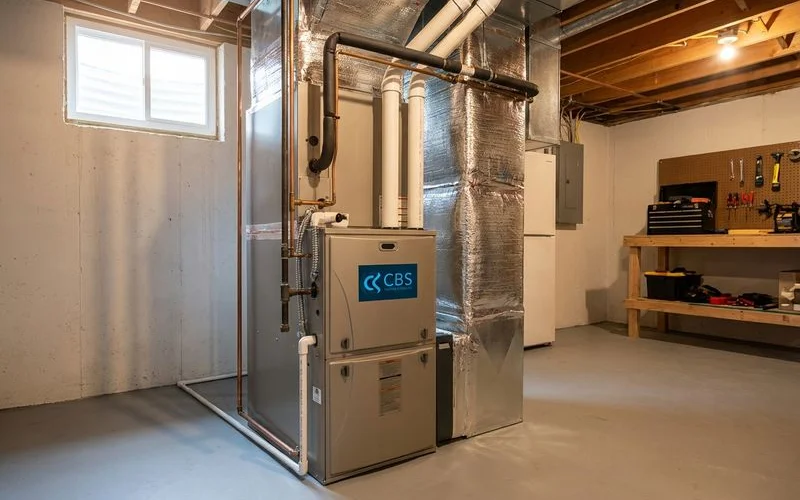
Gas Furnaces A furnace generates heat by burning natural gas (or propane in rural areas). The combustion heats a metal heat exchanger, and a blower fan pushes air over the heat exchanger and through your ductwork. Furnaces only provide heating. You still need a separate air conditioning system for summer cooling.
Efficiency Comparison
Efficiency is where the differences between these systems become most apparent.
Heat Pump Efficiency Because heat pumps move heat rather than creating it, they can achieve remarkable efficiency levels. A modern heat pump can deliver two to four times more heating energy than the electrical energy it consumes. This is expressed as a Coefficient of Performance (COP) of 2 to 4, or an HSPF2 rating of 8 to 13.
However, heat pump efficiency decreases as outdoor temperatures drop. When temperatures fall below about 30 to 35 degrees, older heat pumps lose efficiency rapidly. Modern cold-climate heat pumps have pushed this threshold significantly lower, maintaining good efficiency even in single-digit temperatures.
Furnace Efficiency Furnace efficiency is measured by AFUE (Annual Fuel Utilization Efficiency). A standard furnace has an AFUE of 80 percent, meaning 80 percent of the gas burned becomes usable heat. High-efficiency models achieve 95 to 98 percent AFUE. Furnace efficiency remains constant regardless of outdoor temperature, which is a significant advantage during extreme cold.
Performance in Virginia’s Climate
Northern Virginia’s climate is well suited for heat pumps. Our winters are moderately cold, with average January lows around 25 degrees in the Manassas area. While we do experience occasional stretches below 20 degrees, extreme cold events are relatively brief.
Modern cold-climate heat pumps can handle our typical winter conditions without issue. For the handful of days each year when temperatures plunge well below normal, most heat pump systems include supplemental electric resistance heating that kicks in automatically.
That said, if your home is in a particularly exposed location or if you have very high heating demands, a furnace provides a reassuring level of heating power that does not diminish with the temperature.
Cost Comparison
Installation Costs A heat pump system typically costs between $5,000 and $12,000 installed, depending on the size and efficiency level. A gas furnace plus air conditioner combination runs between $6,000 and $14,000. While the upfront costs are similar, the heat pump gives you both heating and cooling in one system, which often makes it the better value.
Operating Costs Operating costs depend heavily on local utility rates. In the Northern Virginia area served by Dominion Energy, electricity rates and natural gas rates make this a close comparison. Heat pumps generally have lower operating costs in mild weather, while furnaces can be more economical during prolonged cold snaps.
On average, homeowners in the Manassas area who switch from an older furnace and AC combination to a modern heat pump typically see total heating and cooling costs drop by 20 to 40 percent.
Incentives and Rebates This is where heat pumps currently have a significant advantage. The federal Inflation Reduction Act provides tax credits of up to $2,000 for qualifying heat pump installations. Additionally, Dominion Energy and other local utilities sometimes offer rebates for high-efficiency heat pump installations. These incentives can make a heat pump significantly less expensive than a furnace after rebates.
Lifespan and Maintenance
Heat Pump Lifespan Heat pumps typically last 15 to 20 years with proper maintenance. Because they run year-round for both heating and cooling, they accumulate more operating hours than a furnace, which may slightly affect longevity. Annual maintenance for a heat pump involves checking refrigerant levels, cleaning coils, inspecting electrical components, and verifying proper defrost operation.
Furnace Lifespan Gas furnaces generally last 20 to 25 years with proper maintenance. They only run during heating season, so they accumulate fewer operating hours. However, remember that you also need a separate AC system, which adds another set of maintenance requirements and another component that will eventually need replacement.
Comfort Considerations
Heat Pump Comfort Heat pumps deliver air at a lower temperature than furnaces, typically around 90 to 100 degrees at the vent compared to 120 to 140 degrees from a furnace. Some homeowners describe heat pump air as feeling cooler or less intense, although the home reaches the same temperature. Variable-speed heat pumps address this by running longer at lower output, providing very consistent and comfortable temperatures.
Furnace Comfort Furnaces deliver noticeably warmer air, which many people find more satisfying during cold weather. The air comes out of vents feeling distinctly hot, which provides a psychological sense of warmth beyond just the temperature reading.
Our Recommendation for Northern Virginia
For most homes in the Manassas and Northern Virginia area, we lean toward recommending heat pumps, especially for homeowners who are replacing both their heating and cooling systems simultaneously. The combination of dual functionality, strong efficiency in our climate, and available incentives makes heat pumps an excellent value.
However, we recommend furnaces for homes with existing natural gas infrastructure where the homeowner prefers the higher air temperature delivery, properties with very high heating demands, and situations where the home already has a relatively new air conditioning system that does not need replacement.
Get a Personalized Recommendation
Every home is different. Contact HVAC of Virginia at (703) 555-0123 for a free in-home assessment. We will evaluate your specific situation, review your energy usage, and provide an honest recommendation tailored to your home and budget. We serve Manassas, Centreville, Gainesville, Woodbridge, Bristow, and all of Northern Virginia.
Need HVAC Help?
Our expert technicians are ready to help with any heating or cooling issue.
Related Articles
Furnace Not Heating? Common Causes and Fixes
Is your furnace running but not producing heat? Discover the most common causes and simple fixes before calling a professional HVAC technician in Virginia.
Preparing Your Heating System for Virginia Winters
Get your heating system winter-ready with this complete preparation guide for Northern Virginia homeowners. Avoid cold weather breakdowns and stay warm.
Essential Furnace Maintenance Checklist for Winter
Prepare your furnace for Virginia's cold winters with this essential maintenance checklist. Prevent breakdowns and keep your family warm all season long.