Humidity Control: Why It Matters for Virginia Homes
Northern Virginia's humidity affects your comfort, health, and home. Learn how to control indoor humidity levels with your HVAC system year-round.
Virginia’s Humidity Challenge
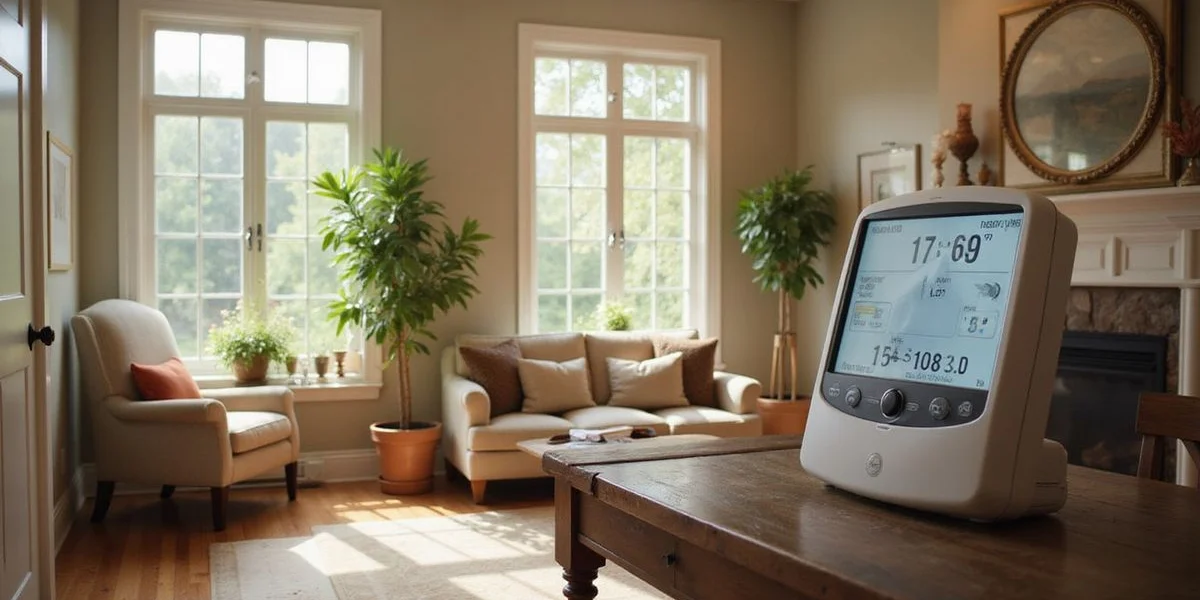
Northern Virginia has a humid subtropical climate, and anyone who has lived through a Manassas summer knows what that means in practice. Outdoor humidity levels regularly exceed 70 to 80 percent from June through September, making the air feel thick and heavy. But humidity is not just a summer concern. Winter brings the opposite problem: heated indoor air can drop to uncomfortably low humidity levels, causing dry skin, respiratory irritation, and damage to wood furnishings.
Managing indoor humidity is a year-round challenge for Virginia homeowners, and your HVAC system plays a central role in that management. Understanding the relationship between humidity and comfort can help you create a healthier, more comfortable home environment with better indoor air quality.
What Is the Ideal Indoor Humidity Level
The ideal indoor relative humidity range is between 30 and 50 percent, with 40 to 45 percent being the sweet spot for most people. Within this range, the air feels comfortable, biological growth is inhibited, and building materials and furnishings are protected.
Problems with High Humidity (Above 50%)
When indoor humidity is too high, your home becomes a breeding ground for problems. Mold and mildew thrive in humid environments, and they can grow on walls, in closets, inside ductwork, and on any surface where moisture accumulates. Dust mites, a major allergen, reproduce much faster in humid conditions.
High humidity also makes your home feel warmer than the actual temperature. This is because humidity reduces your body’s ability to cool itself through perspiration. A room at 75 degrees with 60 percent humidity feels as uncomfortable as an 80-degree room at normal humidity. This leads many homeowners to set their thermostat lower than necessary, increasing energy costs.
Structural damage is another consequence. Excessive moisture can warp wood floors and furniture, cause paint to peel, and promote rot in wooden structural elements. In severe cases, prolonged high humidity can damage insulation and drywall.
Problems with Low Humidity (Below 30%)
Low humidity during Virginia winters causes its own set of issues. Dry air pulls moisture from skin, causing cracking and irritation. Nasal passages and throats become dry, increasing susceptibility to colds and respiratory infections. Static electricity becomes a constant annoyance. Wood furniture, floors, and musical instruments can crack or warp as they lose moisture.
How Your AC Affects Humidity
Your air conditioner naturally removes humidity as a byproduct of the cooling process. As warm, humid air passes over the cold evaporator coil, moisture condenses on the coil surface and drains away. This is why you see water dripping from the condensate drain when your AC is running.
However, there are situations where your AC alone cannot adequately control humidity:
Oversized AC Systems An oversized air conditioner cools the air quickly and shuts off before it has run long enough to remove adequate moisture. The result is a home that reaches the set temperature but still feels clammy and uncomfortable. This is one of the most common comfort complaints we encounter in Manassas-area homes, and it often traces back to improper system sizing. Our AC repair technicians can evaluate whether your system is correctly sized.
Mild, Humid Days On days when the temperature is moderate but humidity is high, your AC may not run enough to provide adequate dehumidification. These shoulder-season days in spring and fall are when humidity problems are often most noticeable.
Nighttime Humidity After the sun goes down, temperatures drop but humidity often remains high. If your thermostat reaches its set point and the AC stops running, humidity can climb even though the temperature is comfortable.
Whole-Home Humidity Solutions
For homes where the AC alone cannot maintain proper humidity levels, dedicated humidity control equipment provides a reliable solution.
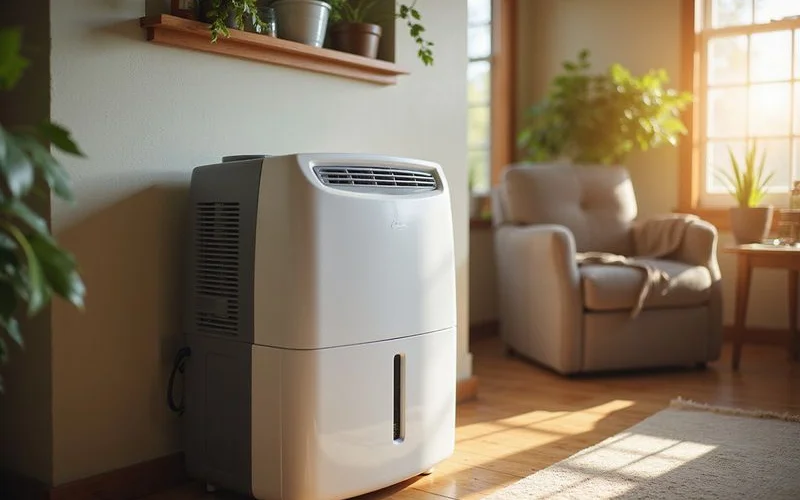
Whole-Home Dehumidifiers These units integrate with your existing HVAC ductwork and can remove 70 to over 100 pints of moisture per day. Unlike portable dehumidifiers that only treat one room and require constant emptying, whole-home units connect to a drain for continuous operation and treat the entire house.
A whole-home dehumidifier has its own humidistat that operates independently of temperature. This means it can remove moisture even when the AC is not running, solving the shoulder-season and nighttime humidity problems.
For Manassas-area homes, we typically recommend whole-home dehumidifiers for homes with persistent humidity complaints, finished basements that feel damp, homes with oversized AC systems, and families with mold allergies or sensitivity.
Whole-Home Humidifiers During winter, a whole-home humidifier adds moisture to the heated air distributed through your ductwork. There are three main types:
Bypass humidifiers use the furnace’s warm air to evaporate water from a pad. They are the most common and least expensive option. Fan-powered humidifiers include a built-in fan that increases evaporation rates, making them effective for larger homes. Steam humidifiers heat water to create steam and inject it into the airflow. They provide the most precise humidity control and work independently of the heating system.
Monitoring Indoor Humidity
You cannot manage what you do not measure. A digital hygrometer, available at any hardware store for under $20, provides an accurate reading of your indoor humidity level. Place one in your main living area and one in any problem areas such as a basement or a room prone to condensation.
Smart thermostats often include humidity sensors and can display current humidity levels alongside temperature. Some can even control whole-home humidity equipment automatically based on your preferred settings.
Signs Your Home Has Humidity Problems
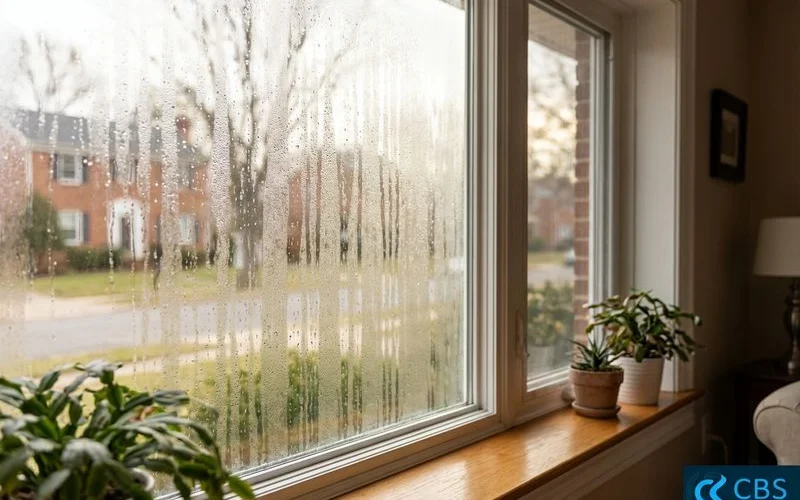
Watch for these indicators of humidity issues in your Northern Virginia home. Condensation on windows, especially in winter, is a clear sign that indoor humidity is too high. Musty odors in closets, basements, or near exterior walls suggest mold growth from excessive moisture. Visible mold on bathroom ceilings or in corners where walls meet ceilings indicates a ventilation and humidity problem. Wood floors that are cupping or buckling are responding to excessive moisture.
On the low-humidity side, frequent static shocks, consistently dry skin despite using moisturizer, and cracks appearing in wood furniture or trim all indicate that indoor air is too dry.
Get Professional Humidity Assessment
If you are dealing with humidity-related comfort or health issues in your home, HVAC of Virginia can help. Contact us at (703) 555-0123 for a humidity assessment. We will measure humidity levels throughout your home, identify contributing factors, and recommend the most effective solution for your specific situation. We serve homeowners throughout Manassas, Centreville, Gainesville, Woodbridge, and all of Northern Virginia.
Need HVAC Help?
Our expert technicians are ready to help with any heating or cooling issue.
Related Articles
Furnace Not Heating? Common Causes and Fixes
Is your furnace running but not producing heat? Discover the most common causes and simple fixes before calling a professional HVAC technician in Virginia.
Preparing Your Heating System for Virginia Winters
Get your heating system winter-ready with this complete preparation guide for Northern Virginia homeowners. Avoid cold weather breakdowns and stay warm.
Heat Pump vs. Furnace: Which Is Right for Virginia?
Comparing heat pumps and furnaces for Northern Virginia homes. Learn the pros, cons, costs, and efficiency differences to make the best heating choice.