The Importance of Air Duct Cleaning for Your Health
Discover why air duct cleaning matters for your family's health. Learn when to schedule cleaning, what the process involves, and how it improves your Virginia home.
What Is Hiding Inside Your Ductwork
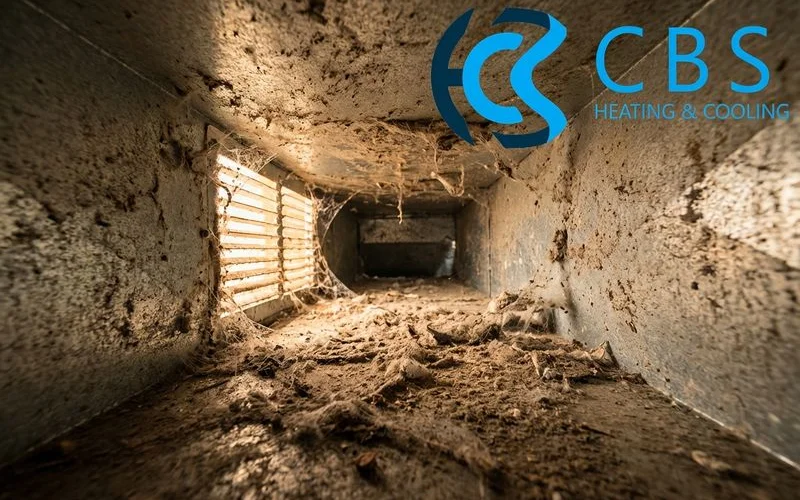
Every time your heating or cooling system runs, air circulates through dozens of feet of ductwork hidden behind walls, above ceilings, and under floors. Over the years, those ducts accumulate dust, pet dander, pollen, mold spores, insect debris, and other contaminants that become part of the air your family breathes.
The average home generates roughly 40 pounds of dust per year. Much of that dust makes its way into the ductwork, and while your air filter catches some of it, particles that bypass the filter settle inside the ducts where they accumulate over time. For homeowners in Manassas and throughout Northern Virginia, understanding when and why duct cleaning matters is an important part of maintaining a healthy home.
Why Air Duct Cleaning Matters
Health Impacts The connection between indoor air quality and health is well established. The EPA ranks indoor air pollution among the top five environmental health risks. Contaminated ductwork contributes to this problem by circulating particles and biological contaminants every time the HVAC system operates.
Family members with allergies, asthma, or other respiratory conditions are particularly sensitive to airborne contaminants. Even people without diagnosed conditions can experience symptoms like headaches, fatigue, congestion, and irritated eyes and throat when indoor air quality is poor.
Mold Concerns in Virginia’s Climate Northern Virginia’s humid subtropical climate creates ideal conditions for mold growth. Ductwork, particularly sections that run through unconditioned spaces like attics and crawl spaces, can develop condensation that promotes mold colonization. Once established in ductwork, mold spores are distributed throughout the home every time the system runs.
Mold in ductwork is a particular concern because it is hidden from view. You might not see mold growing on walls or surfaces, but it could be thriving inside your ducts, silently affecting your family’s health.
When to Schedule Duct Cleaning
Not every home needs duct cleaning on a regular schedule. The National Air Duct Cleaners Association (NADCA) recommends cleaning every three to five years, but certain situations warrant more immediate attention.
Schedule Duct Cleaning If:
You notice visible dust or debris blowing from supply registers when the system starts up. This is a clear sign that significant contamination has accumulated inside the ducts.
You can see mold growth on the inside surfaces of ducts or on other HVAC components. If you spot mold on a vent cover, there is likely more inside the ductwork behind it.
You have recently completed a home renovation. Construction generates enormous amounts of dust and debris, much of which finds its way into ductwork even with precautions. Many Manassas homeowners renovating older homes are surprised by how much construction dust ends up in their ducts.
You have evidence of rodent or insect activity in the ductwork. Rodent droppings, nesting materials, and insect remains are health hazards that should be professionally removed.
You have moved into a previously owned home and do not know when the ducts were last cleaned. Starting with clean ductwork gives you a baseline and eliminates whatever the previous occupants left behind.
You have family members experiencing unexplained allergy symptoms that worsen when the HVAC system is running.
What Professional Duct Cleaning Involves
Legitimate duct cleaning is a thorough process that should take two to four hours for a typical home. Here is what a proper job involves.
Inspection The technician begins with a visual inspection using cameras and mirrors to assess the condition of the ductwork and identify any specific problem areas such as mold, excessive debris, or physical damage.
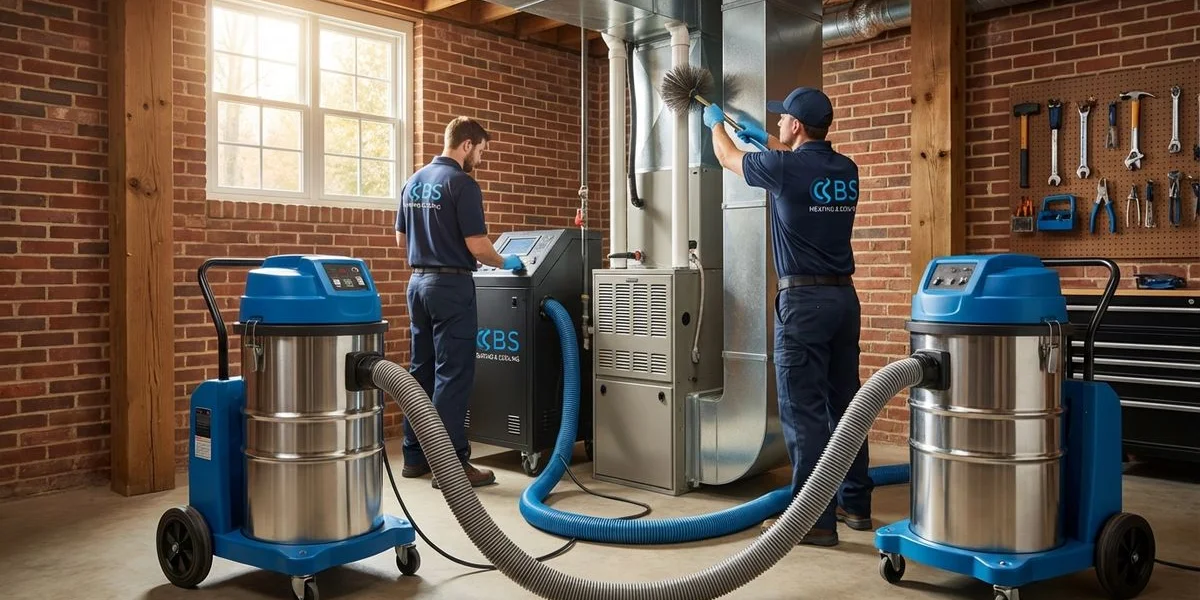
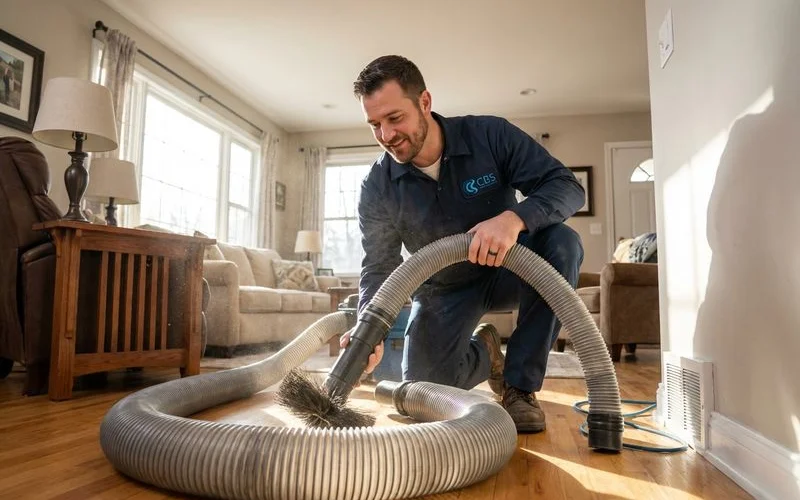
Source Removal Cleaning The industry standard method uses powerful vacuum equipment connected to the duct system, creating negative pressure that draws contaminants toward a collection point. Meanwhile, agitation tools such as rotating brushes, compressed air whips, or contact vacuuming tools dislodge accumulated debris from the duct walls so the vacuum can capture it.
Every supply and return register is cleaned individually. The main trunk lines, branch runs, and connections are all addressed. The process also includes cleaning the supply and return plenums, the air handler compartment, and the blower assembly.
Component Cleaning A complete duct cleaning service also addresses other HVAC components that affect air quality, including the evaporator coil, condensate drain pan, blower motor and housing, and register boots and grilles.
Sanitization (Optional) After cleaning, some homeowners opt for an antimicrobial treatment applied to the duct surfaces. This is particularly recommended when mold has been found, as it inhibits regrowth. Only EPA-registered products should be used, and they should only be applied to clean surfaces.
Avoiding Duct Cleaning Scams
Unfortunately, the duct cleaning industry has its share of disreputable operators. Be cautious of companies that offer extremely low prices, often advertised as whole-house duct cleaning for under $100. Legitimate duct cleaning for a typical home costs between $300 and $500.
Be wary of companies that use scare tactics, claiming your ducts are making you sick without performing any inspection. A reputable company will inspect your ducts first and show you what they find before recommending cleaning.
Ask about the cleaning method. Companies that simply vacuum the register openings without accessing the full duct runs are not providing real duct cleaning. Insist on source removal cleaning with proper agitation and full-system vacuuming.
Verify credentials. Look for NADCA-certified technicians and check reviews and references. At HVAC of Virginia, our technicians follow NADCA standards and use professional-grade equipment designed for thorough duct cleaning.
Maintaining Clean Ducts Between Cleanings
After professional cleaning, you can extend the interval before the next cleaning by maintaining several good habits. Change your HVAC air filter regularly as part of routine HVAC maintenance and use a quality pleated filter rated MERV 8 or higher. Keep your home reasonably clean, as vacuuming and dusting reduce the amount of particulate that enters the duct system. Make sure all register covers are securely attached to prevent debris from falling into open ducts. Run your HVAC fan periodically even when heating or cooling is not needed, as this helps filter the air and prevents stagnant conditions in the ductwork.
Schedule Your Duct Inspection
Not sure if your ducts need cleaning? Contact HVAC of Virginia at (703) 555-0123 for a professional duct inspection. We will assess the condition of your ductwork and provide an honest recommendation. If cleaning is warranted, we use NADCA-standard equipment and methods to ensure a thorough job. We serve homeowners throughout Manassas, Centreville, Gainesville, Woodbridge, and all of Northern Virginia.
Need HVAC Help?
Our expert technicians are ready to help with any heating or cooling issue.
Related Articles

Furnace Not Heating? Common Causes and Fixes
Is your furnace running but not producing heat? Discover the most common causes and simple fixes before calling a professional HVAC technician in Virginia.

Preparing Your Heating System for Virginia Winters
Get your heating system winter-ready with this complete preparation guide for Northern Virginia homeowners. Avoid cold weather breakdowns and stay warm.
Heat Pump vs. Furnace: Which Is Right for Virginia?
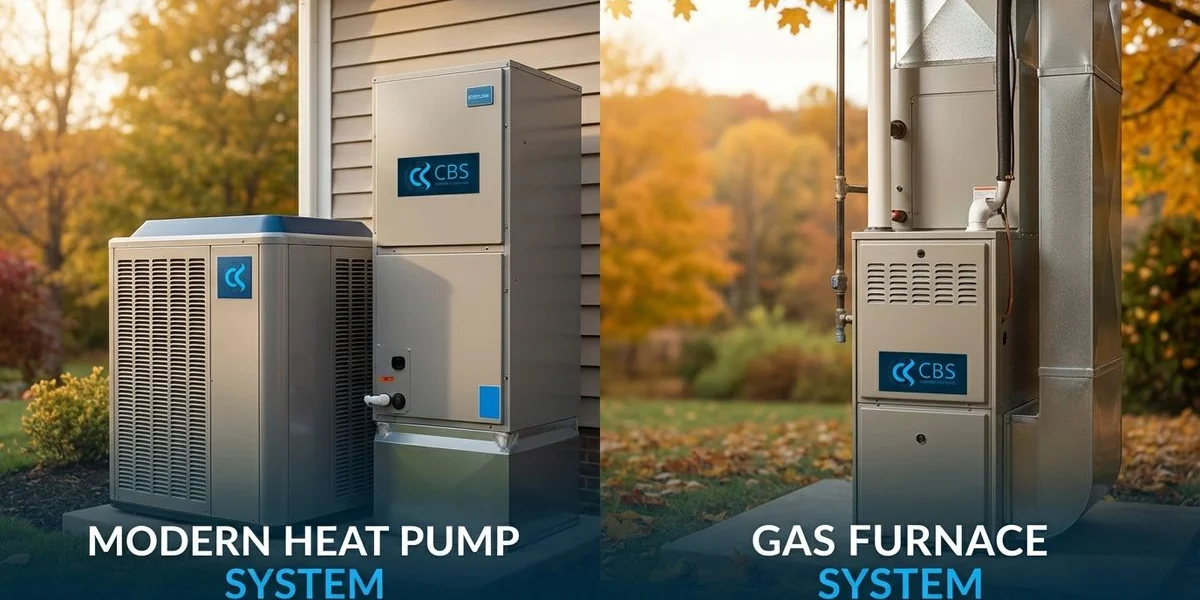
Comparing heat pumps and furnaces for Northern Virginia homes. Learn the pros, cons, costs, and efficiency differences to make the best heating choice.