10 Ways to Lower Your Energy Bills with HVAC Efficiency
Reduce your heating and cooling costs with these 10 proven HVAC efficiency tips. Northern Virginia homeowners can save hundreds per year with simple changes.
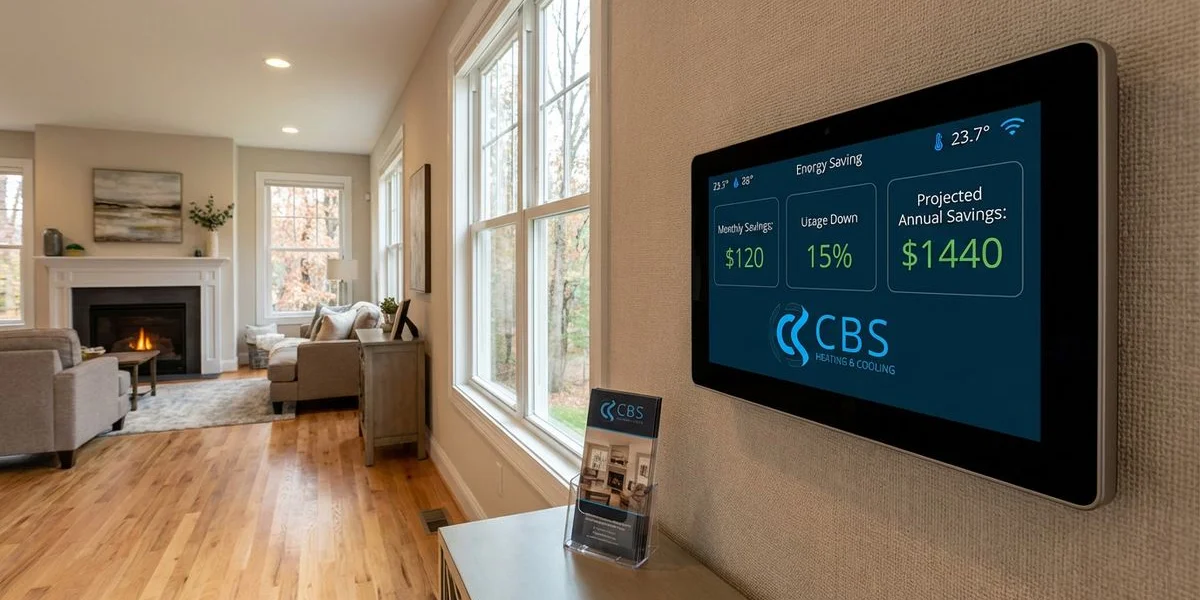
Cutting Energy Costs Without Sacrificing Comfort
Energy bills are a significant expense for Northern Virginia homeowners. Between the hot, humid summers and cold winters in the Manassas area, your HVAC system accounts for roughly 50 percent of your total energy costs. The good news is that there are practical, proven ways to reduce those costs without living in discomfort.
At HVAC of Virginia, we have helped thousands of homeowners improve their HVAC efficiency. Here are ten strategies that deliver real results, arranged from the simplest to the most impactful.
1. Change Your Air Filters Regularly
This is the easiest and most cost-effective thing you can do to improve HVAC efficiency. A dirty filter restricts airflow, forcing your system to work harder and use more energy. The Department of Energy estimates that replacing a dirty filter can reduce your HVAC energy consumption by 5 to 15 percent.
Check your filter every month and replace it when it looks dirty. During peak cooling and heating seasons in Northern Virginia, monthly replacement is often necessary. A pack of standard pleated filters costs less than $30 and can save you several times that amount in energy costs.
2. Program Your Thermostat Strategically
If you are still running your HVAC at the same temperature 24 hours a day, you are wasting energy. Setting your thermostat back 7 to 10 degrees for eight hours per day, such as while you are at work or sleeping, can save up to 10 percent on annual heating and cooling costs.
For a typical Manassas home spending $200 per month on energy, that translates to $240 per year in savings from a completely free change.

3. Seal Your Ductwork
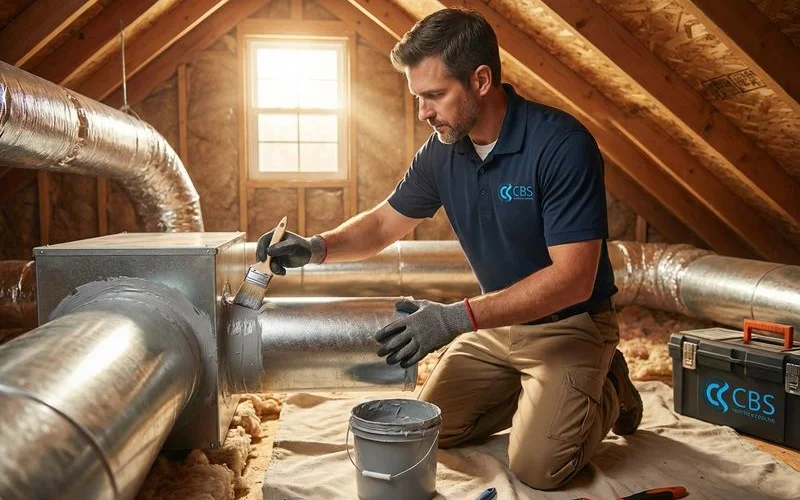
Leaky ductwork is one of the biggest hidden energy wasters in Northern Virginia homes. The average home loses 20 to 30 percent of its conditioned air through duct leaks before it reaches the living spaces. That means you are paying to heat and cool your attic, crawl space, or walls.
Have a professional inspect your ductwork and seal any leaks with mastic sealant or metal-backed tape. In homes with severe duct leakage, professional duct sealing can reduce energy bills by 20 percent or more.
4. Use Ceiling Fans Wisely
Ceiling fans do not cool the air, but they create a wind chill effect that makes you feel cooler. In summer, running ceiling fans allows you to raise your thermostat by about 4 degrees without any reduction in comfort. At roughly 2 cents per hour to run a ceiling fan versus the much higher cost of additional AC cooling, the savings add up quickly.
In winter, reverse the fan direction to clockwise at low speed. This pushes warm air that has risen to the ceiling back down to the living area, helping your heating system work more efficiently.
5. Maintain Your Outdoor Unit
Your air conditioner or heat pump’s outdoor unit needs clear airflow to operate efficiently. Trim bushes, remove debris, and maintain at least two feet of clearance around all sides. A clean, unobstructed outdoor unit can operate up to 10 percent more efficiently than one that is blocked or dirty.
Once a year, gently rinse the outdoor coils with a garden hose to remove accumulated dirt and pollen. Here in the Manassas area, pollen buildup in spring can significantly reduce condenser efficiency.
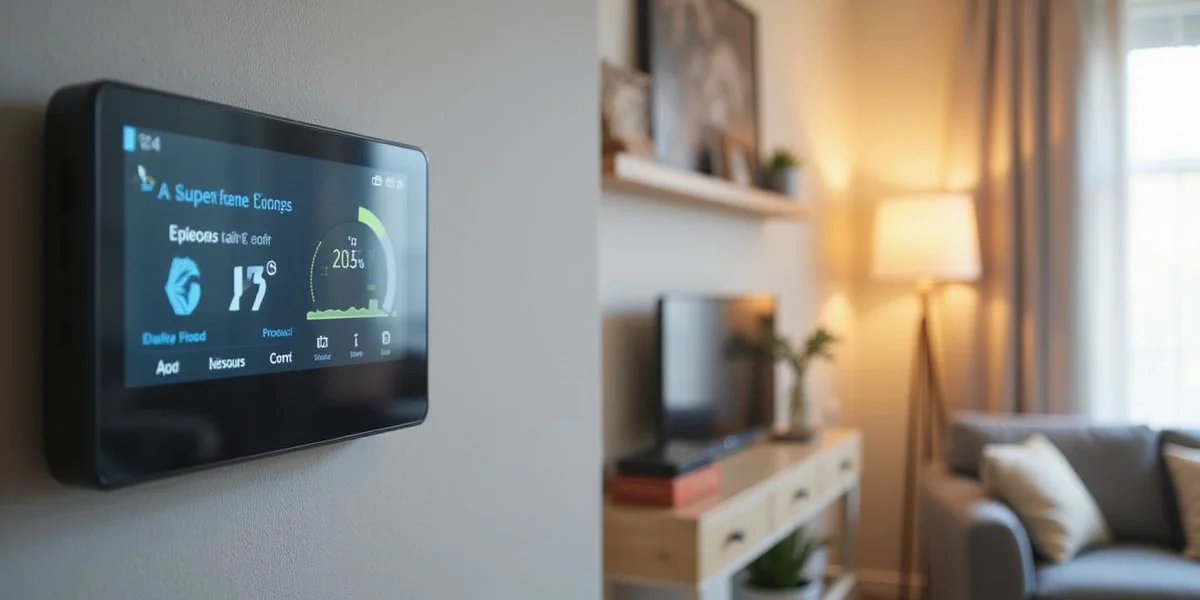
6. Upgrade to a Smart Thermostat
Smart thermostats go beyond simple programming by learning your habits, detecting when you are home or away, and making automatic adjustments. The EPA estimates that a properly used smart thermostat saves 8 to 12 percent on heating and 15 percent on cooling costs.
Many smart thermostats also provide energy usage reports that help you identify patterns and opportunities for additional savings. The $150 to $250 investment in a smart thermostat typically pays for itself within the first year.
7. Address Air Leaks in Your Home
Your HVAC system cannot efficiently heat or cool a leaky home. Common air leak points include windows and door frames, electrical outlets on exterior walls, recessed lighting, attic hatches, and plumbing and wiring penetrations.
A professional energy audit can identify all the air leaks in your home and quantify their impact. Many Manassas-area homeowners are surprised to learn that their combined air leaks add up to the equivalent of leaving a window open all year.
8. Add or Improve Insulation
Insulation is your home’s thermal barrier, and inadequate insulation makes your HVAC system work overtime. The most impactful area to address is usually the attic. Many Northern Virginia homes, particularly those built before the 1990s, have attic insulation well below current recommended levels.
Adding insulation to reach the recommended R-49 to R-60 level for our climate zone can reduce heating and cooling costs by 10 to 20 percent. The cost of blown-in attic insulation typically pays for itself within two to four years through energy savings.
9. Schedule Annual Professional Maintenance
A well-maintained HVAC system operates at peak efficiency. Annual tune-ups ensure that all components are clean, properly adjusted, and functioning correctly. The Department of Energy states that proper maintenance can reduce HVAC energy consumption by up to 15 percent compared to a neglected system.
Professional maintenance also catches small problems before they become expensive repairs. Components like dirty coils, low refrigerant, and worn capacitors all reduce efficiency and increase operating costs long before they cause a complete system failure.
10. Consider a System Upgrade
If your HVAC system is more than 15 years old, upgrading to a modern high-efficiency system can dramatically reduce your energy costs. A 15-year-old AC system likely has a SEER rating of 10 to 13. Replacing it with a modern 18 SEER2 or higher system can cut cooling energy use by 30 to 40 percent.
Similarly, upgrading from an 80 percent AFUE furnace to a 96 percent model means you get 20 percent more heat from every dollar of gas you burn. Combined with available federal tax credits and utility rebates, the payback period on a high-efficiency system upgrade can be surprisingly short.
Calculate Your Potential Savings
The combined impact of implementing these ten strategies can be substantial. Most homeowners who commit to all of them see total HVAC energy costs drop by 25 to 40 percent. For a Manassas home spending $3,000 per year on heating and cooling, that represents $750 to $1,200 in annual savings.
Start Saving Today
Contact HVAC of Virginia at (703) 555-0123 to schedule a maintenance visit or a free efficiency consultation. Our technicians can assess your current system, identify the biggest opportunities for savings, and recommend the most cost-effective improvements for your specific situation. We serve Manassas, Centreville, Gainesville, Woodbridge, and all of Northern Virginia.
Need HVAC Help?
Our expert technicians are ready to help with any heating or cooling issue.
Related Articles
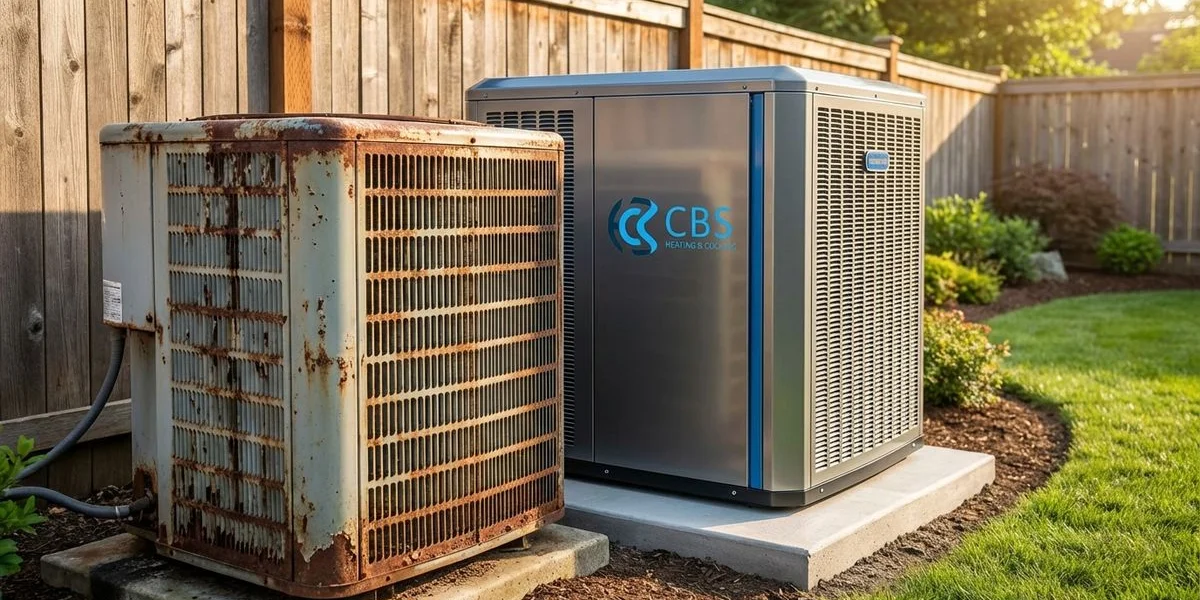
When to Replace vs. Repair Your HVAC System
Not sure whether to repair or replace your aging HVAC system? Use this decision framework from HVAC of Virginia to make the right choice for your home.
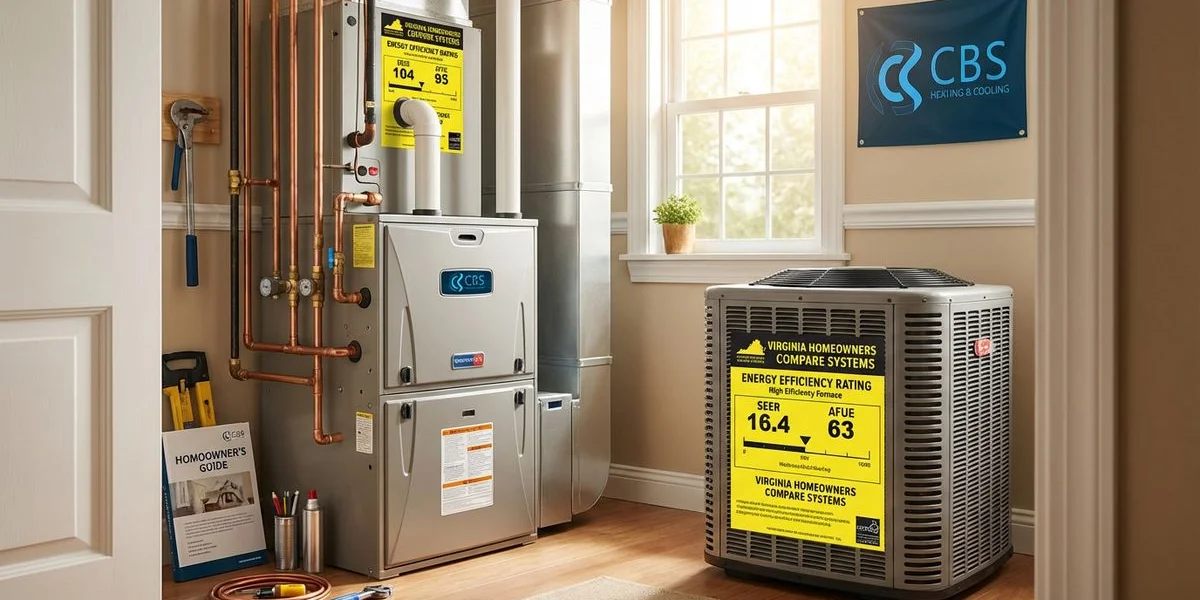
HVAC Energy Efficiency Ratings Explained: SEER, AFUE, HSPF
Confused by HVAC efficiency ratings? This guide breaks down SEER, AFUE, HSPF, and other ratings so Virginia homeowners can make informed purchasing decisions.
Smart Thermostat Guide: Save Money on Heating and Cooling
Everything you need to know about smart thermostats for your Virginia home. Compare features, learn installation tips, and maximize your energy savings.