Preparing Your Heating System for Virginia Winters
Get your heating system winter-ready with this complete preparation guide for Northern Virginia homeowners. Avoid cold weather breakdowns and stay warm.
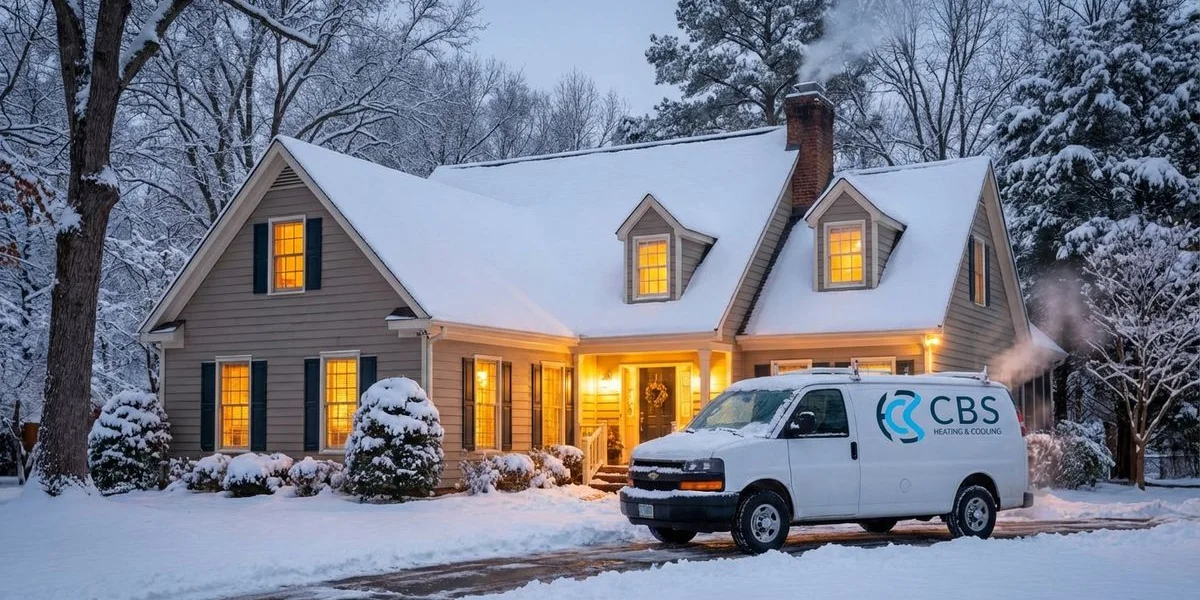
Winter Is Coming: Is Your Heating System Ready?
Virginia winters can be unpredictable. One week you might enjoy mild 50-degree days, and the next you could be dealing with single-digit temperatures and ice storms. For homeowners in the Manassas area and throughout Northern Virginia, the key to staying comfortable all winter is preparation.
Taking the time to prepare your heating system before cold weather arrives pays off in several ways. You avoid emergency breakdowns during the worst weather, your system runs more efficiently, your energy bills stay lower, and your family stays warm and safe. Here is everything you need to do to get ready.
Test Your Heating System Early
Do not wait until the first frost to turn on your heat. Test your system in early October when the weather is still mild. Switch your thermostat to heating mode, set the temperature a few degrees above the current room temperature, and let the system run for at least 30 minutes.
During this test, pay attention to several things. The system should start within a minute or two of the thermostat calling for heat. You should feel warm air from the vents within five minutes. There should be no unusual smells beyond a brief dusty odor that is normal when a furnace fires up for the first time in months. Listen for any unusual noises such as banging, squealing, or grinding.
If anything seems off during this test, schedule a service call while schedules are still open. Waiting until November or December means competing with every other homeowner who did not plan ahead.
Schedule Professional Maintenance
Annual professional maintenance is the single most important thing you can do for your heating system. A trained technician inspects components that you cannot easily access or evaluate on your own, including the heat exchanger, burner assembly, electrical connections, and safety controls.
For homes in the Manassas area, we recommend scheduling your heating tune-up in September or October. This timing ensures any needed repairs can be completed before you actually need the system running daily.
At HVAC of Virginia, our heating tune-up includes a comprehensive inspection of all critical components, cleaning of burners and heat exchangers, testing of safety controls, calibration of the thermostat, and a written report of findings and recommendations.
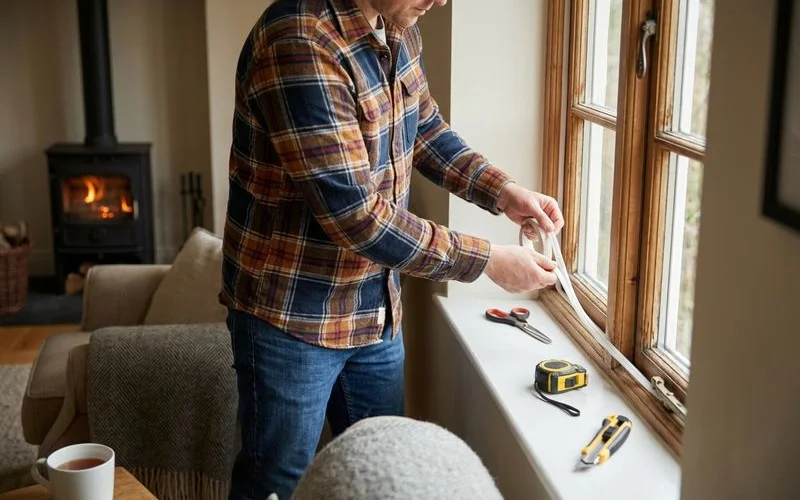
Seal Air Leaks Throughout Your Home
Even the best heating system struggles if your home is leaking warm air. Common air leak locations in Northern Virginia homes include:
Windows and Doors Check the weatherstripping around all exterior doors and windows. Over time, weatherstripping compresses, cracks, and loses its effectiveness. Replacing worn weatherstripping is inexpensive and can make a noticeable difference in comfort and energy costs.
Apply caulk around window frames where you can see or feel air movement. For windows that you will not open during winter, removable window insulation kits provide an additional layer of protection.
Attic Access Points The attic hatch or pull-down stairway is often one of the biggest air leak points in a home. Add weatherstripping around the perimeter of the attic access and consider adding an insulated cover over pull-down stairs.
Electrical Outlets and Switch Plates On exterior walls, electrical outlets and light switches can allow cold air to infiltrate. Foam gaskets designed to fit behind outlet and switch covers are available at any hardware store and take just minutes to install.
Recessed Lights Older recessed light fixtures in ceilings below attic spaces can leak significant amounts of air. IC-rated covers can be placed over these fixtures from the attic side to reduce air leakage while maintaining safe clearances.
Check and Improve Insulation
Northern Virginia homes vary widely in insulation quality. Many homes built before the 1980s have inadequate insulation by today’s standards. Even newer homes may have settled or shifted insulation that no longer provides full coverage.
The attic is the most impactful area to address. Heat rises, and an under-insulated attic allows a tremendous amount of heating energy to escape. The current recommendation for our climate zone is R-49 to R-60 in the attic, which translates to about 15 to 20 inches of blown fiberglass or cellulose insulation.
Protect Pipes and Outdoor Equipment
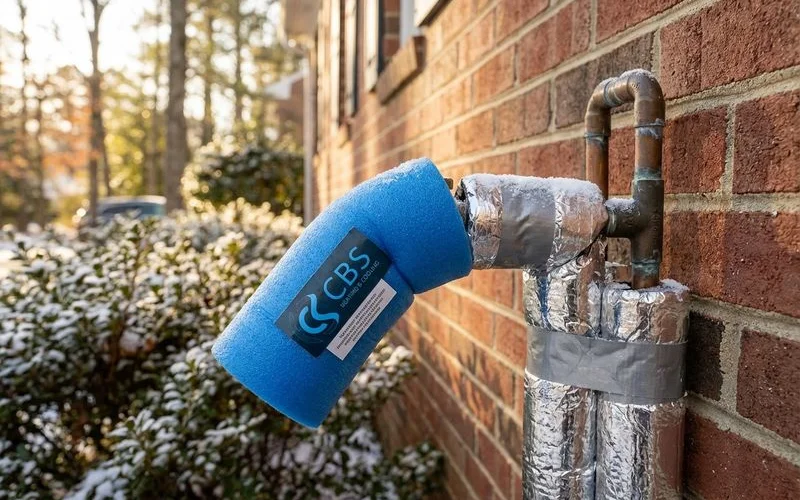
Northern Virginia experiences enough freezing weather to make pipe protection necessary. Insulate any exposed water pipes in unheated spaces such as garages, crawl spaces, and attics. Disconnect and drain garden hoses, and install insulated covers over outdoor faucets.
For your outdoor heat pump or AC unit, make sure it is clear of debris. While you should never completely cover a heat pump because it operates year-round, you can install a wind barrier on the side that faces prevailing winter winds to improve efficiency.
Prepare Your Ductwork
Leaky ductwork wastes a significant portion of your heating energy. Studies show that the typical home loses 20 to 30 percent of heated air through duct leaks before it reaches the living spaces. In Northern Virginia homes where ductwork runs through unconditioned attics and crawl spaces, these losses can be even higher.
Inspect any accessible ductwork for visible gaps, disconnected joints, or damaged insulation. Seal joints with mastic sealant or metal-backed tape. If your ducts run through unconditioned spaces, make sure they are properly insulated.
Prepare for Power Outages
Northern Virginia ice storms and heavy snow can knock out power for hours or even days. Having a plan for heating during outages keeps your family safe. Consider keeping a supply of extra blankets and warm clothing accessible, and know the location of your nearest emergency shelter.
If you have a fireplace, have it inspected and the chimney cleaned before heating season. A portable generator can keep essential systems running during extended outages, but never run a generator indoors or in an attached garage.
Stock Up on Supplies
Before winter fully arrives, make sure you have the basics on hand. Keep several replacement air filters in your desired size and rating. Have extra thermostat batteries available. Keep a flashlight and basic tools near your furnace for troubleshooting. If you use a humidifier, stock replacement filters or pads.
Create a Winter Emergency Plan
Every Northern Virginia household should have a plan for extended heating system failures during extreme cold. Know who to call for emergency heating repair. HVAC of Virginia offers emergency service to Manassas and the surrounding area and can be reached at (703) 555-0123. Know how to safely shut off your gas supply if you suspect a gas leak. Keep the number for your gas utility readily available.
Start Your Winter Preparation Today
The best time to prepare for winter is before you need your heating system running daily. Contact HVAC of Virginia at (703) 555-0123 to schedule your fall heating tune-up and get your system ready for whatever this Virginia winter brings. We serve Manassas, Centreville, Gainesville, Woodbridge, Bristow, Haymarket, and communities throughout Northern Virginia.
Need HVAC Help?
Our expert technicians are ready to help with any heating or cooling issue.
Related Articles
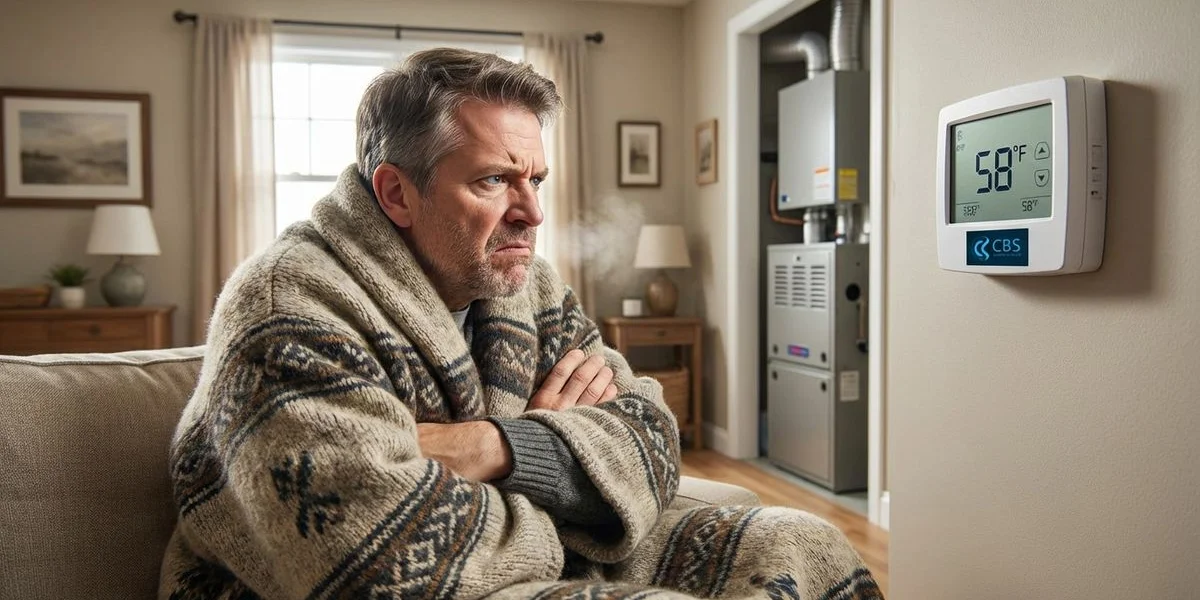
Furnace Not Heating? Common Causes and Fixes
Is your furnace running but not producing heat? Discover the most common causes and simple fixes before calling a professional HVAC technician in Virginia.
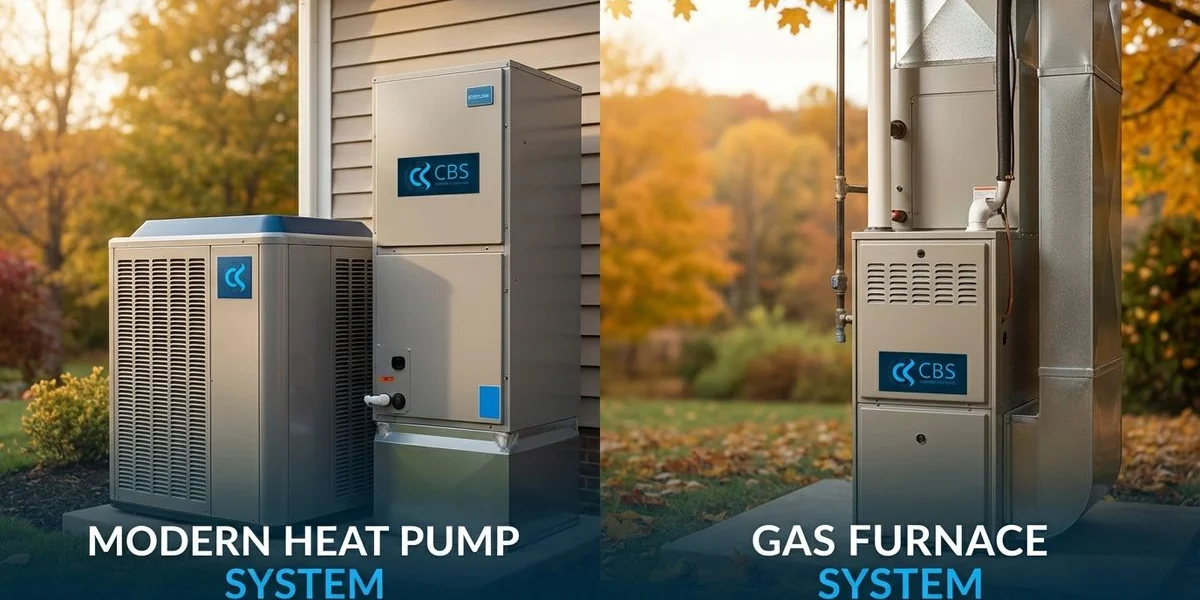
Heat Pump vs. Furnace: Which Is Right for Virginia?
Comparing heat pumps and furnaces for Northern Virginia homes. Learn the pros, cons, costs, and efficiency differences to make the best heating choice.
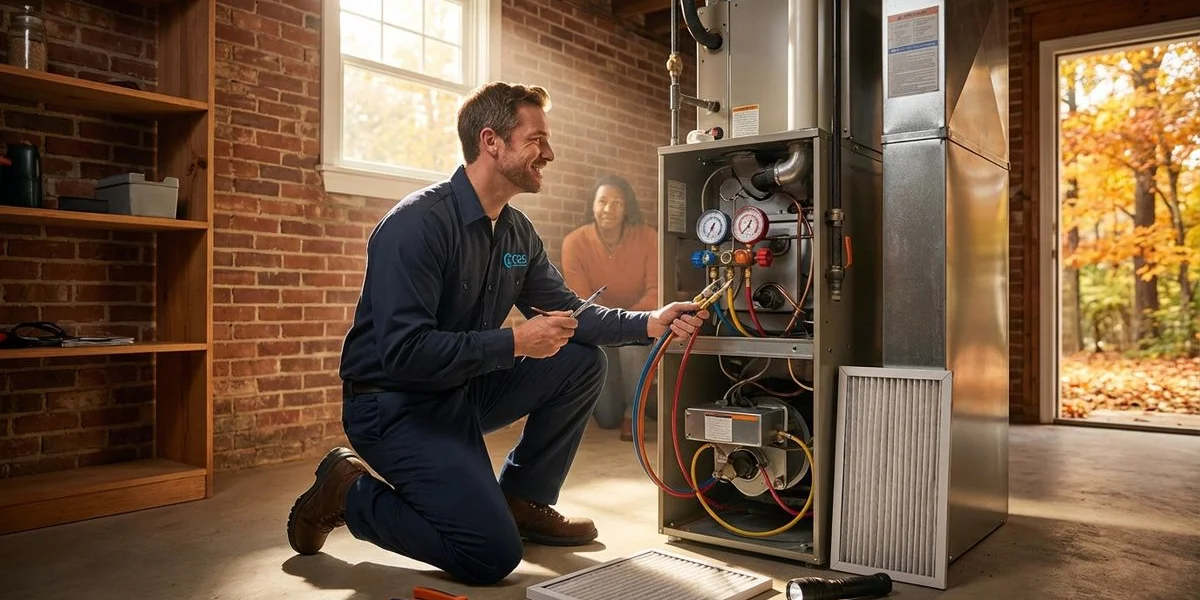
Essential Furnace Maintenance Checklist for Winter
Prepare your furnace for Virginia's cold winters with this essential maintenance checklist. Prevent breakdowns and keep your family warm all season long.